
Solar panels recycling Georgia
Net Zero Waste
Net Zero Cost.
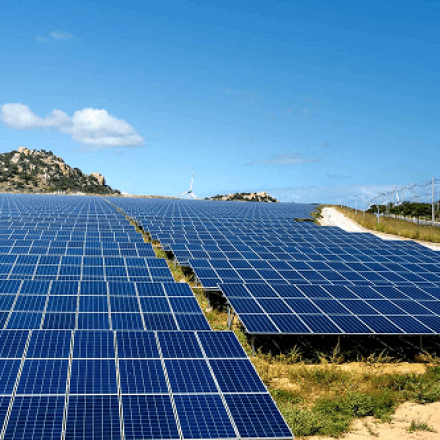
Welcome to Solar Recycling Company™…
We specialize in responsible and efficient large-scale commercial and utility solar panels recycling in Georgia. Our collaborations extend globally, partnering with installers, contractors, developers, and fellow Georgia solar panels recycling companies to ensure surplus or end-of-life solar panels and equipment are processed sustainably.
Why Choose Our Solar Recycling Company
Years Experience
States Served
Chemical Free
Landfill Waste
solar panel recycling Service in Georgia
What We Offer
Sell Solar Panels & Equipment
Solar Panels Recycling & Destruction
Buy Solar Panels & Equipment
Our Solar Recycling Company Process
Georgia’s expanding solar market brings new opportunities for clean power, but it also creates a growing need for responsible recycling when panels are removed, replaced, or retired. The Solar Recycling Company helps solar farms, commercial properties, installers, municipalities, and homeowners manage used solar panels through an environmentally responsible recovery process. Our work focuses on reclaiming the materials inside each panel instead of allowing them to become unnecessary waste. After panels are safely collected and transported, they are processed through a detailed recycling system that separates major components such as glass, aluminum, copper, wiring, metals, and photovoltaic materials. These recovered resources can then be prepared for reuse in manufacturing and other productive applications. For Georgia customers, this means a smarter path for handling end-of-life solar equipment. By combining safe logistics, efficient processing, and sustainable material recovery, The Solar Recycling Company helps reduce landfill disposal, conserve natural resources, and support a circular clean energy economy across the state.
Discovery
Logistics
Estimation
You’ll receive an initial estimate outlining the Solar Recycling Company scope, material recovery potential, and associated costs, and if needed, we’ll provide a prepaid shipping label for easy delivery to our Solar Recycling Company facility.
Estimation
You’ll receive an initial estimate outlining the Solar Recycling Company scope, material recovery potential, and associated costs, and if needed, we’ll provide a prepaid shipping label for easy delivery to our Solar Recycling Company facility.
3
Logistics
Prepare and dispatch your solar panels to our Solar Recycling Company center for secure, trackable recycling, with all logistics managed to meet sustainability and safety standards.
Reprocessing
Get Your Quote
Ready to get started? Fill out our form and we’ll get back to you with a personalized quote within 24 hours.

scrap solar panel recycling company in Georgia
As a leading solar panel recycler in Georgia, we minimize waste and offset associated costs by processing your end-of-life solar equipment. We specialize in diverting old and used solar panels from landfills.
Want to know how to properly dispose of broken panels, inverters, or power storage in Georgia? Let us assist you. Get in touch with us so we can discuss your options.
Please note: Our focus is on large-scale commercial and utility projects (minimum 100 panels), not typically residential installations.
Who We Work With
EPC Contractors
Project-based recycling solutions
Commercial Solar Installers
Commercial rooftop Solar Recycling Company
Operations and Maintenance (O&M)
Utility Scale Solar Farms
Energy & Utility Companies
Connect With Us
It’s tough to be proud about how environmentally friendly renewable energy sources are if they turn out to be major sources of pollution in the future.
Frequently Asked Questions
Common questions about our solar recycling company services
Why is responsible solar panel recycling important in Georgia?
There are numerous reasons why responsible solar panel recycling is essential in Georgia:
- Environmental Protection: Heavy metals and other potentially dangerous components are included in solar panels alongside precious elements. Recycling prevents these materials from ending up in landfills, where they can leach into the environment and cause pollution.
- Resource Conservation: Solar panels recycling in Georgia recovers valuable resources like silver, silicon, and glass, reducing the need to mine new raw materials. Natural resources are conserved, and the environmental effect of solar panel manufacture is reduced as a result.
- Economic Benefits: The recycling of solar panels in Georgia not only helps the economy thrive but it also generates employment opportunities. It fosters innovation and investment in green technologies.
- Landfill Space: By diverting solar panels from landfills, we can increase the longevity of current landfill space and decrease the necessity for new ones.
- Regulatory Compliance: Georgia is expected to experience an increase in regulations concerning the disposal of solar panels and electronic waste. Recycling solar panels in Georgia enables businesses and individuals to demonstrate their dedication to environmental responsibility and remain ahead of these regulations.
What happens to my solar panels during the recycling process in Georgia?
While exact procedures may differ across solar panel recyclers in Georgia, here’s a broad outline of what happens to your solar panels:
- Collection & Sorting: After collection, the panels are sent to a recycling center. They might be sorted by type or manufacturer to optimize processing.
- Component Separation: The panels are meticulously disassembled by recyclers to extract valuable components, such as:
- Aluminum frames
- Glass
- Copper wiring
- Junction boxes
- Material Recovery: Specialized techniques are used to recover valuable materials, for example:
- Silicon: Frequently extracted through thermal and chemical procedures.
- Silver: Typically recovered from solar cells through chemical leaching.
- Further Processing: Recovered materials are processed and purified for reuse:
- Metals are reused in electronics, building, and other industries.
- Glass may be used in new solar panels and other glass goods.
- Silicon may be utilized to make new solar cells and semiconductors.
- Waste Minimization: Reputable solar panel recyclers in Georgia prioritize environmentally sound practices to minimize waste and prevent harmful materials from entering the environment.
Which solar panel components are recyclable in Georgia?
Solar panels are made up of various materials, many of which are recyclable in Georgia. Here are the key components:
- Glass: The outermost layer of most solar panels is made of glass, which is highly recyclable. Some potential uses for recycled glass include making solar panels, fiberglass insulation, and other glass goods.
- Aluminum: Aluminum is a common material for the solar panel’s structural frame. You can recycle this precious metal over and over again without it degrading.
- Silicon: The semiconductor material, the main component of solar cells. Recycling silicon requires specialized processes, but it can be recovered and used to produce new solar cells or other electronic components.
- Copper: Copper wire connects the solar cells and conducts power. Copper is a very precious and recyclable metal with several uses.
- Silver: Some solar cells contain silver, a precious metal used to improve conductivity. Silver may be recovered and used in new solar panels and other businesses.
- Plastics: While plastics are present in components like the backsheet and junction box, recycling them can be more challenging. However, some recyclers are developing innovative methods to recover and reuse these materials.
It is crucial to acknowledge that solar panel recycling in Georgia processes and capabilities may differ among various recyclers.
How does solar panel recycling in Georgia contribute to a circular economy?
Solar panel recycling is critical in Georgia’s efforts to promote the circular economy. Here’s how:
- Resource Recovery: Solar panels recycling in Georgia is the process of extracting valuable materials from end-of-life solar panels, including silicon, silver, aluminum, and glass. Doing so reduces the demand for virgin materials by utilizing the recovered resources to produce new products.
- Waste Reduction: Georgia solar panel recycling keeps solar panels out of landfills, which reduces trash and protects the environment. This helps conserve valuable landfill space and reduces the need to extract new resources.
- Closed-Loop Systems: Ideally, recycled materials from solar panels are used to create new solar panels or components, closing the loop and creating a sustainable cycle.
- Job Creation & Innovation: Recycling solar panels in Georgia helps the environment, creates green employment, and promotes new developments in recycling technology and environmentally friendly production methods in Georgia.
- Reduced Environmental Impact: By minimizing waste and resource extraction, solar panel recycling contributes to a lower environmental footprint for the solar energy industry.
- Economic Growth: Maximizing resource usage and decreasing dependency on limited resources are key principles of a circular economy model, which aims to encourage sustainable economic development.
What are the environmental risks of NOT recycling solar panels in Georgia?
Several environmental hazards could result from Georgia’s failure to recycle solar panels:
- Landfill Contamination: Solar panels contain lead, cadmium, and other heavy metals that, when disposed of in landfills, may seep into the soil and groundwater. This can contaminate drinking water sources and harm ecosystems.
- Resource Depletion: Disposing of solar panels without recycling them results in the loss of valuable resources such as silver, silicon, and aluminum. This, in turn, results in the devastation of habitats, deforestation, and additional environmental degradation as the necessity to mine new materials increases.
- Increased Carbon Footprint: Manufacturing new solar panels requires significant energy and resources. By not recycling solar panels in Georgia, we increase the overall carbon footprint of solar energy production.
- Waste of Energy: The energy expended in the production and transportation of solar panels is squandered when they are discarded. Solar panels recycling in Georgia is instrumental in the recovery of this embodied energy and the reduction of overall energy consumption.
- Missed Opportunity for a Circular Economy: The circular economy, which is characterized by the reduction of waste and the utilization of resources, is impeded by the failure to recycle.
- Negative Public Perception: Improper disposal of solar panels can damage the public’s perception of solar energy as a clean and sustainable technology. This could hinder the adoption of solar power and slow the transition to renewable energy sources.