
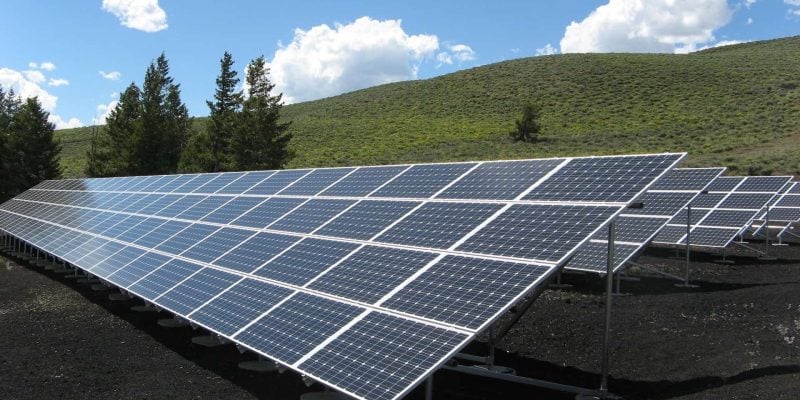
You might wonder how to recycle solar panels in Oklahoma once they reach the end of their lifespan. Here’s something that might surprise you: over 90% of a solar panel’s materials, including glass, aluminum, silicon, and copper, are reusable. With this in mind, recycling solar panels the right way keeps your property compliant and protects the environment.
Are solar panels recyclable? Yes. The solar panel recycling process recovers valuable components that would otherwise end up in landfills. This article walks you through everything, from assessment to finding recycling facilities, and shows you how to dispose of solar panels responsibly in Oklahoma.
Are Solar Panels Recyclable? Understanding the Basics
Solar panels aren’t mysterious black boxes. They’re engineered assemblies of several distinct materials, and each serves a specific purpose in converting sunlight into electricity.
What Materials Make Up Solar Panels
Think of a solar panel as a sandwich with multiple layers. Glass forms the protective outer layer, 6-7 millimeters thick, shielding the internal components from weather while allowing maximum light transmission. Behind this protective shield sit the silicon solar cells, the workhorses that perform the actual energy conversion through the photovoltaic effect.
The material breakdown by weight reveals glass dominates the composition:
| Material | Weight Percentage |
| Glass | 75-76% |
| Plastic Polymers (EVA, Backsheet) | 10-11% |
| Aluminum Frame | 8-13% |
| Silicon Cells | 3-5% |
| Copper Wiring | 1% |
| Silver & Other Metals | <0.1% |
Silicon, sitting at atomic number 14 on the periodic table, is a semiconductor that converts solar energy into electricity. Electrons begin moving when light hits these silicon cells, creating electrical current. But without the metal casing and wiring, those electrons would have nowhere to go.
The aluminum frame protects against weather damage and helps mount panels at optimal angles. Copper wiring and bus wires connect the cells and carry the generated current. Silver paste, despite representing a tiny fraction of the panel’s weight, is critical for electrical conductivity. EVA (ethylene vinyl acetate) encapsulant bonds everything together while sealing out moisture. The backsheet, made from durable polymers like PVF or PET, provides electrical insulation and additional protection.
Why Solar Panel Recycling Matters
Recycling solar panels prevents valuable materials from rotting in landfills. Each recycled panel stops 97 pounds of CO2 from entering the atmosphere. That’s not insignificant when you think about the volume of panels approaching retirement.
Recovering aluminum through recycling uses 95% less energy than producing it from raw bauxite ore. Mining, transporting, and refining bauxite carries substantial environmental costs that recycling sidesteps completely. The same principle applies to other materials.
There’s another reason to recycle: landfill space. Panels aren’t biodegradable. Without effective recycling programs, millions of panels could consume scarce landfill capacity. Recycling transforms potential waste into manufacturing inputs, supporting a circular economy where materials cycle through production systems rather than accumulating as garbage.
Recycling Rates for Different Components
Recovery rates vary substantially across panel materials. Glass and aluminum lead the pack. Glass recycling achieves 90-95% recovery rates, while aluminum hits 100%. Both materials feed into recycling industries with proven processes and markets.
Silicon recovery reaches 85-90%, though purifying it for reuse in new panels requires energy-intensive processing. Copper wiring achieves near-complete recovery at about 95% or higher. Silver, despite its tiny presence in panels, can be recovered at rates around 80-95%.
The challenging materials are the polymers. EVA encapsulant and plastic backsheets are difficult to separate and process. EVA recovery struggles, achieving only 0-20%. The backsheet fares better at 10-20% recovery, but these materials often dissolve during recycling or get incinerated rather than repurposed.
The Department of Energy’s Solar Energy Technologies Office says 95% of materials in solar panels are recyclable. The estimated average material recovery rate exceeds 80% by weight. Advanced recycling technologies keep improving these figures, especially for silicon and specialty metals that previously proved difficult to reclaim economically.
Crystalline silicon panels, which dominate the market, offer the highest recyclability when you factor in all components. Thin-film panels require specialized facilities but can still achieve substantial material recovery.
Solar Panel Recycling Regulations in Oklahoma
Regulations governing solar panel disposal in Oklahoma operate on two levels: state requirements and federal frameworks. You need to understand both to handle end-of-life panels correctly.
Current Oklahoma State Laws
Oklahoma approaches solar panel regulation differently than you might expect. The state has no blanket recycling mandates for residential systems. Regulations target specific scenarios instead.
Oklahoma law requires decommissioning plans for utility-scale solar projects. According to §60-820.1, a solar energy conversion system owner who executes a Solar Agreement to secure land rights must describe decommissioning plans or financial assurance instruments that the local jurisdiction requires. Project developers bear the responsibility to plan for eventual panel removal and disposal.
Here’s where things get interesting for recycling facilities themselves. Oklahoma Statutes §17-160.14A sets strict requirements for renewable energy recycling facilities operating in the state. Owners must submit annual reports to the Public Utility Division of the Corporation Commission by February 1 each year. These reports detail current inventory of renewable energy components accepted but not yet recycled. The report has estimated timelines and costs for completing recycling.
Financial security requirements add another layer. Facility owners must provide evidence of financial security covering 125% of estimated recycling costs. Acceptable forms are surety bonds, collateral bonds, parent guarantees, cash, or other negotiable instruments. Miss the deadline? You’re looking at penalties up to $500 per day. Facilities also pay a $1,000 annual registration fee.
Regulations remain less defined for residential solar panel owners. Local jurisdictions may impose specific requirements, but statewide mandates don’t exist for small-scale systems right now.
Federal Guidelines That Apply
No specific federal regulations exist exclusively for solar panel recycling at the present time. That’s right. Dedicated federal recycling rules haven’t materialized yet, despite the growing number of panels reaching end-of-life.
The Resource Conservation and Recovery Act (RCRA) provides the general framework. Panels become solid waste regulated under RCRA Subtitle D once they are removed from service. What happens next depends on composition. Some panels contain enough metals like lead to qualify as hazardous waste under RCRA. RCRA Subtitle C regulations kick in if your panels meet hazardous waste criteria.
Hazardous waste solar panels that are recycled may qualify for regulatory exclusions. This applies to the transfer-based exclusion in states adopting the 2015 or 2018 Definition of Solid Waste Rule. This exclusion encourages recycling while preventing mismanagement, provided specific criteria are met.
The EPA announced changes coming down the pipeline. The agency revealed plans to add solar panels to universal waste regulations under 40 CFR Part 273 in October 2023. This proposed rule wants to streamline management requirements for hazardous waste solar panels. Expect a Notice of Proposed Rulemaking around February 2026, with a Final Rule projected for August 2027, according to the timeline.
The universal waste designation would simplify compliance burdens. It would reduce manifesting requirements, transporter paperwork, and generator status counts. Generators must determine if panels qualify as hazardous waste under existing RCRA regulations until the rule is finalized.
Several states jumped ahead with their own programs. California and Hawaii classify hazardous waste solar panels as universal waste under state programs. Washington created a Photovoltaic Module Stewardship and Takeback Program. New Jersey formed a Solar Panel Recycling Commission. North Carolina developed regulatory programs for renewable energy equipment management.
What This Means for Oklahoma Residents
Oklahoma residents fall into a regulatory gap. You won’t find state-mandated recycling requirements for residential solar panels here, whereas states like Washington require manufacturer-financed recycling programs.
What you do need to know: determine whether your panels qualify as hazardous waste under RCRA. This depends on leachability of toxic chemicals. You must handle panels according to hazardous waste regulations if they contain sufficient lead or other regulated materials, or wait for the universal waste rule to simplify the process.
Decommissioning plans aren’t optional for utility-scale projects. You must coordinate with local jurisdictions and provide appropriate financial assurances.
The regulatory picture will change once EPA finalizes universal waste regulations. Responsible disposal means working with qualified recyclers who understand both current RCRA requirements and Oklahoma’s specific decommissioning standards until then.
Step 1: Assess Your Solar Panels for Recycling
Before you start boxing up panels for transport, pause. Assessment comes first. Skip this step and you could send reusable panels to recycling facilities or, worse, handle hazardous materials the wrong way.
Determine the Panel Type
Panel type dictates recycling approach. The three main categories break down like this: monocrystalline, polycrystalline, and thin-film.
Monocrystalline panels feature cells cut from a single silicon crystal. Look for uniform black or dark blue coloring across the cells. The cells have rounded corners because they’re sliced from cylindrical ingots. These panels represent the most efficient technology on the market and generate up to 300 watts per standard module.
Polycrystalline panels use silicon fragments melted together. You’ll spot them by their speckled blue appearance. The cells have square edges since manufacturers pour molten silicon into rectangular molds. A standard 60-cell polycrystalline panel produces 240-300 watts.
Thin-film panels look different. They’re sleeker, often frameless, and flexible in some cases. Three subtypes exist: cadmium telluride (CdTe), amorphous silicon (a-Si), and copper indium gallium selenide (CIGS). CdTe dominates the thin-film market due to low manufacturing costs. These panels matter for recycling because CdTe contains cadmium, which requires specialized handling.
Check your panel labels or documentation. Manufacturers print model numbers and specifications on the back. Crystalline silicon panels account for over 95% of installations, so odds favor you having one of these types.
Check Panel Age and Condition
Age alone doesn’t determine recycling necessity. Panels often operate beyond their 25-year warranty period. Prioritize reuse potential over immediate recycling during inspection.
Visual inspection reveals obvious damage:
- Cracked or shattered glass – Compromises weatherproofing and electrical safety
- Backsheet deterioration – Peeling, discoloration, or brittleness indicates moisture penetration
- Delamination – Bubbling or separation between layers shows adhesive failure
- Hotspots or burn marks – Dark spots signal cell failure or electrical arcing
- Frame damage – Bent aluminum or broken mounting points affect structural integrity
- Junction box issues – Corroded terminals or damaged wiring create safety hazards
Electrical testing confirms functionality. Insulation resistance testing measures whether moisture has compromised electrical isolation. IV curve testing charts the panel’s current-voltage relationship and reveals actual performance against specifications.
Keep similar panels together. Mixing manufacturers, models, or conditions complicates processing. Label everything. Serial numbers, if visible, provide manufacturing dates and specifications.
Panels passing visual and electrical checks qualify for resale to secondary markets, internal redeployment, or donation. Documentation matters here. Downstream buyers need testing results and “as-is” condition disclosures.
Identify Recyclable Components
Crystalline silicon panels contain highly recyclable materials. The aluminum frame separates easily and recycles at 100% recovery rates. Glass makes up 75% of panel weight and achieves 95% recyclability.
Silicon cells undergo chemical and thermal treatment to purify the silicon for reuse in new cells or electronics. Recovery rates hit 85%. Copper wiring provides scrap value. Silver, despite minute quantities, gets extracted through specialized refining.
The challenging components? Plastic encapsulant and backsheet materials resist separation and recovery. Thermal processing at 500 degrees Celsius evaporates these small plastic components and allows cell separation.
Thin-film panels require different handling. CdTe panels contain cadmium and potentially classify as hazardous waste depending on concentration. Testing varies by manufacturer and even within the same model. Some pass toxicity tests while others fail.
To name just one example, panels containing lead solder or cadmium semiconductors might exceed safe thresholds under the Toxicity Characteristic Leaching Procedure. Federal regulations require hazardous waste determinations unless you’re using transfer-based recycling exclusions.
Documentation supports proper classification. Keep records showing panel composition, manufacturer specifications, and any testing results. This paperwork proves you’re managing materials the right way rather than dumping hazardous waste.
A full assessment of your panels before proceeding saves time, money, and potential regulatory headaches down the line.
Step 2: Disconnect and Safely Remove Your Solar Panels
Solar panel removal requires respect for electricity and gravity. Here’s the reality: panels generate voltage at the time light hits them, even on cloudy days. You can’t flip a switch and make them “dead.” This fact shapes every safety decision during removal.
Safety Precautions Before Removal
Most homeowners need professional help. DIY removal attempts risk damaging panels, your roof and electrical systems.
Protective equipment comes first if you proceed on your own. Insulating gloves rated for electrical work protect against shock. Safety glasses shield your eyes from debris during dismounting. Hardhats guard against falling tools or materials during hands-on work. Rubber-soled footwear rated ANSI ASTM Z71 provides electrical insulation and impact protection.
Work timing matters. Schedule removal for late evening after sunset. Panels produce less voltage in low light conditions. Better yet, cover panels with opaque black sheets or blankets before touching any connections. This blocks “ghost energy” production and minimizes electrocution risk.
Check your system’s manual before starting. Manufacturers provide specific disconnection sequences for their equipment. You invite trouble by skipping this step. Contact a professional right away if anything seems abnormal, like burning smells, unusual noises or error messages. Work only in dry conditions with dry hands.
How to Disconnect from Electrical Systems
Your solar system turns off in a specific order. Locate all circuit breakers and switches connected to your solar array first. Most systems have two main switches.
Follow this sequence:
- Shut off the system at the inverter
- Turn off both main switches associated with the solar system
- Switch off the charge controller if your system has one
- Open the inverter box and flip all circuit breakers inside to OFF
- Disconnect the circuit breaker between panels and the inverter
Cover the panels with dark material or flip them logo-side down once switches are off. Next, disconnect the MC4 connectors linking panels to the inverter. These connectors have small + and – symbols printed on them. Always separate negative connectors first, then positive second.
Warning: DC current arcs across gaps during improper disconnection. This arcing can injure you or damage connectors for good. Use a multimeter to verify zero voltage before proceeding. Stop and troubleshoot if the meter reads anything above zero.
Proper Handling During Dismounting
Focus shifts to physical removal with electrical connections separated. Use appropriate tools to loosen mounting brackets and bolts. Panels attach to racking systems that need disassembly. Equipment like skid-steer loaders and excavators move large quantities of dismantled components for utility-scale projects.
Remove mounting hardware while holding panels in place. Panels become unstable once fasteners are loosened. Lift with care to avoid cracks or scratches. Store removed panels on cushioned surfaces away from moisture and debris. Never stack panels on top of each other without protective material between them.
Sorting Panels by Type
Group panels by manufacturer, model and condition before transport. Recycling facilities process different panel types through separate workflows. Crystalline and thin-film panels slow processing when mixed. Keep documentation with each sorted group and note any special handling requirements for panels containing cadmium or other materials that need specialized recycling processes.
Step 3: Find Solar Panel Recycling Facilities in Oklahoma
Your panels are sorted and ready. Now comes the practical question: where exactly do you send them?
Manufacturer Take-Back Programs
Start with the company that made your panels. Many manufacturers run recycling programs, sometimes at no charge to you. First Solar operates one of the most well-known networks globally, with facilities spanning Ohio, Alabama, Louisiana, Malaysia, Vietnam, Germany and India. Their process recovers over 90% of module materials for reuse.
SunPower participates in industry-wide recycling initiatives. Panasonic, Trina Solar and JinkoSolar do the same. Contact your panel manufacturer. Ask whether they offer take-back programs and what their process entails. Some coordinate pickup through third-party logistics partners.
Check your warranty documentation. Manufacturers sometimes include end-of-life services as part of extended warranty packages. Recycling might already be covered if you bought panels in the past few years.
Specialized Recycling Companies Serving Oklahoma
We Recycle Solar provides complete recycling solutions for Oklahoma solar systems. They handle decommissioning, transportation and processing for panels, batteries and related equipment. Their processes comply with federal and state requirements.
Solar Cycle offers another option, though they don’t maintain facilities in Oklahoma. They operate advanced recycling lines in Texas and Arizona, serving Oklahoma customers through reverse logistics services. Their process extracts more than 95% of panel value, recovering aluminum, silver, silicon and glass. They also provide full decommissioning services for utility-scale projects.
Regional Facilities in Nearby States
Oklahoma lacks in-state recycling infrastructure for solar panels. You’ll ship to facilities in adjacent states. Texas and Arizona host the nearest advanced recycling operations through companies like Solar Cycle.
First Solar’s facilities in Louisiana and Ohio serve the broader region. Their infrastructure handles high volumes efficiently. Transportation costs factor into your decision, but specialized facilities justify the distance through superior recovery rates.
Online Resources for Finding Recyclers
The EPA maintains a list of solar panel recycling resources on their website. Check the Department of Energy’s Solar Photovoltaic Manufacturing Map, which has registered recyclers. Earth911’s search tool helps locate facilities by zip code.
The Solar Energy Industries Association runs a national PV recycling program connecting panel owners with certified recyclers. Their website provides a consumer portal for finding collection points and facilities. SEIA built partnerships with major manufacturers and recyclers to create available recycling networks nationwide.
Step 4: Prepare and Transport Panels to Recycling Centers
You’ve identified your recycling destination. Now comes the practical work of getting panels from your property to that facility without damage or regulatory headaches.
Packaging Requirements
Proper packaging protects panels during transit and prevents the recycling center from rejecting your shipment. Start with selecting pallets in good condition. Cracked or damaged pallets fail during loading and create safety hazards.
Stack approximately 25 modules per pallet. Keep the total height under 51 inches. Loads become unstable and topple during transport if you exceed this limit. Secure modules to pallets using straps positioned near the corners, never across the middle where pressure cracks glass.
Separate panels with broken glass from those with intact glass. This difference matters. Broken glass requires full wrapping with commercial shrink wrap. Apply several layers from base to top, covering the entire pallet. Secure the loose end with packing tape to prevent unwrapping during transit.
Insert cardboard or protective materials between double-stacked pallets with intact panels to prevent tipping or damage to the lower stack. Foam pads, corner protectors and cardboard separators cushion panels and absorb shocks. Label each pallet. Print and attach labels using packaging tape, adhering the entire label to prevent detachment.
You can load between 500 and 900 modules per truck trailer with these specifications. A standard 53-foot trailer accommodates 18 double-stacked pallets, totaling 36 pallets.
Transportation Options
Road transport dominates solar panel recycling in Oklahoma. Most recyclers arrange pickup through their own logistics networks.
Some companies offer onsite services that range from full decommissioning to providing transportation for gathered materials. Utilities or maintenance companies often hire contractors to gather panels in one area, then request pickup from the recycling facility.
Documentation Needed
Chain of custody documentation proves your panels reached their intended destination. This signed paper trail shows what was shipped, by whom, how, when and who received it. Chain of custody records demonstrate your responsible hand-off when compliance questions arise.
Asset Transfer Forms document pickup and destination information with complete records of materials, personnel, date and time. Federal law requires transportation under a manifest if your panels qualify as hazardous waste, unless you’re using recycling exclusions. State regulations during interstate transport add another layer. Those states’ hazardous waste regulations could apply at their borders if your shipment passes through states that haven’t adopted transfer-based exclusions.
Understanding the Solar Panel Recycling Process
Panels arrive at a recycling facility and the solar panel recycling process transforms waste into valuable raw materials through systematic steps.
Collection and Original Sorting
Panels enter the facility and undergo inspection before processing begins. Recyclers assess power output and physical condition to determine reuse potential. Panels that still generate electricity get diverted to secondary markets or “second life” solar farms instead of immediate recycling. Functional panels avoid unnecessary processing through this triage.
Inspectors separate panels by type. Crystalline silicon modules follow different workflows than thin-film panels. Processing routes depend on size, manufacturer and damage levels. Specialized handling gets flagged for hazardous components. Surface cleaning removes dirt and debris that could contaminate recovered materials.
Dismantling and Component Separation
The solar panel recycling process starts with mechanical removal of aluminum frames and junction boxes. Existing metal and electronics streams recycle both components with ease. Automated equipment removes frames in roughly 40 seconds per panel.
Glass separation poses the biggest problem. Silicon cells bond to glass through EVA encapsulant and adhesives. Three methods tackle this problem:
Thermal delamination heats panels to 300-650°C. The extreme temperature vaporizes plastic layers and breaks adhesive bonds. Complete separation occurs within 30-50 minutes at 350-550°C. Hot knife technology melts EVA at 300°C and separates glass without breakage in about 60 seconds per panel.
Chemical delamination dissolves adhesives using organic solvents. Toluene achieves separation in 180 minutes with ultrasound assistance. This method preserves glass and cells but requires extended processing time.
Mechanical delamination crushes panels into fragments. Specialized equipment breaks modules into pieces smaller than 5-10mm. This method is simpler than others, but silicon cells shatter during crushing.
Material Processing and Recovery
Shredded materials undergo multi-step separation after delamination. Magnetic equipment pulls ferrous metals at 5,000-8,000 Gauss field strength. Eddy current systems separate non-ferrous metals like aluminum and copper at 98% accuracy. Air classification and screening isolate glass from lighter materials.
Chemical baths extract valuable metals from silicon cells. Silver dissolves in nitric acid solutions and then precipitates as silver oxide. Aluminum leaches in potassium hydroxide at 80°C. Silicon particles undergo acid etching to remove impurities.
Advanced facilities recover up to 95% of panel value. Glass accounts for most recovered weight. Silicon gets purified to reuse in manufacturing, though contamination remains an obstacle. Copper and silver feed back into industrial supply chains.
What Happens to Recovered Materials
Recycled glass finds multiple applications. High-purity glass returns to solar panel manufacturing. Lower grades become construction materials or fiberglass. Each metric ton of recycled glass saves 1.2 tons of raw materials and cuts glass production energy by 30%.
Silicon requires refinement to 99.9999% purity or higher for new solar cells. Recycling silicon uses one-third the energy needed for virgin production. Aluminum returns to metal recycling streams for re-molding. Recovered copper serves electronics manufacturing.
How Much Does It Cost to Recycle Solar Panels in Oklahoma
Money talks, and solar panel recycling costs speak volumes about why so few panels get recycled. You need to understand pricing to budget and locate financial assistance.
Average Recycling Costs Per Panel
A single solar panel costs between $15 and $45 to recycle. Most facilities charge $20-30 per panel, though some quote as low as $10. Panel type drives this variance. Crystalline silicon panels cost less to process than thin-film modules that require specialized handling.
Factors That Affect Pricing
Transportation expenses add up fast. Collection and shipping range from $1,000 to $2,000 per container holding 300-500 panels. Collection costs vary from $0.05 to $0.25 per watt depending on site accessibility. Processing methods affect pricing. Thermal separation costs more than mechanical crushing. Many facilities require minimum volumes of 4,000 tons a year to operate profitably and create barriers for small-scale recycling.
Cost Comparison: Recycling vs Disposal
Here’s the brutal truth: landfill disposal costs $1-5 per panel. That’s ten times cheaper than recycling. Recovered materials from recycling fetch only $3-12 per panel and leave a net loss of $8-27. This economic reality explains why panels end up in landfills despite environmental concerns.
Financial Incentives and Rebate Programs
The federal 48C program offers tax credits for businesses that establish recycling operations. SEIA’s national recycling program connects panel owners with budget-friendly recyclers. But direct homeowner incentives remain scarce. Certified companies provide professional solar panel recycling services while helping guide customers through available programs.
Conclusion
Right now, you have everything needed to recycle solar panels responsibly in Oklahoma. Then you can protect the environment while staying compliant with regulations. Follow the steps outlined above: assess your panels, disconnect them safely, locate qualified recyclers, and handle transportation correctly.
Costs run higher than disposal, but the environmental payoff matters. Over 90% of panel materials get recovered and reused. This keeps valuable resources out of landfills. Solar panel recycling company in Oklahoma Solar Recycling handles the process and makes compliance straightforward.
Your panels don’t belong in landfills. Take action and contact certified recyclers. Give those materials new life. The planet will thank you for it.