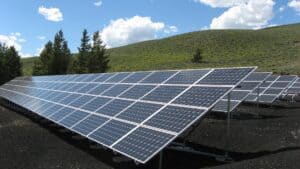

Here’s a surprising fact – Connecticut has deployed about 3,763,000 solar panels by early 2023!
Millions of these panels capture sunlight throughout the state right now. The biggest problem emerges as these panels age and reach the end of their lifespan. Connecticut’s solar panel recycling needs grow more urgent as the state’s renewable energy equipment gets older.
Solar panels typically last 25-30 years before needing replacement. Many parts of the United States face limited and costly recycling options. Proper disposal remains crucial because these panels might contain toxic materials like lead that could harm landfills.
Some good news exists on the horizon. Experts say the materials recovered from old solar panels will be most important by 2023. Their value could equal the raw materials needed to make about 60 million new panels.
This piece guides you through Connecticut’s solar panel recycling process with clear, step-by-step instructions. You’ll discover local disposal rules, recycling services, and responsible ways to handle your end-of-life panels.
Ready to explore Connecticut’s solar panel disposal and recycling options? Let’s get started!
Understanding Solar Panel Lifespan
Solar panels are a big investment for Connecticut homeowners. Learning about their lifespan helps you plan future maintenance and recycling needs. These energy-producing assets don’t fail suddenly – their power output drops slowly over decades.
How long do solar panels last?
Solar panels last much longer now than they used to. Research shows their average lifespan grew from about 20 years in 2007 to 25-35 years by 2025. This better durability makes solar energy an even smarter long-term investment.
Today’s solar systems come with 25-year performance warranties. These warranties guarantee your panels will produce at least 85-90% of their power output by year 25. The panels don’t stop working after the warranty runs out.
Power output decreases because solar panels wear down at predictable rates. Studies show the median degradation rate is around 0.5% annually, ranging between 0.3% and 0.8% based on panel quality and environment. Quality panels still work at 80-90% of their original capacity after 25 years.
All but one of these systems have been installed since 2019. Most Connecticut systems are still quite new and have many years left.
Signs your panels may need replacement
Despite their long life, you should watch for these signs that your panels need attention:
- Age factor – Panels 20-30 years old making substantially less power than rated
- Physical damage – Cracks in glass, dents, or visible damage from debris
- Discoloration – Yellow to dark brown spots on white conductor strips or burnt areas
- Inverter problems – Error messages or red/green lights on your inverter
- Decreased performance – Your electric bill goes up without changes in usage
Regular checks of your solar panels help catch these problems early. Your system’s power output compared to past data is a great way to get performance insights.
What happens when panels reach end of life?
Solar panel waste management becomes more important as adoption grows in Connecticut. The United States will have about one million tons of solar panel waste by 2030. This number could hit 10 million tons by 2050, making America the second-largest source of old panels globally.
Old solar panels become solid waste. You have several options then:
Continue using them – Many panels work decades past their warranty, though less efficiently. Your existing system might work fine if your energy needs stay the same.
Replace them – New, more efficient panels might be your best choice if you need more power.
Economics and environmental impact usually drive this decision. On top of that, it matters how you dispose of old panels. They might fall under RCRA Subtitle C hazardous waste rules. Connecticut homeowners should use qualified recycling services to dispose of their panels properly.
Why Solar Panel Recycling Matters
Solar panel disposal has become a major concern in Connecticut and across the nation. More solar installations are reaching the end of their life, and homeowners need to understand how responsible recycling protects our environment.
Environmental risks of landfilling panels
Solar waste poses growing environmental challenges. The United States will accumulate about one million total tons of solar panel waste by 2030. This number will jump to an estimated 10 million tons by 2050, making America the second-largest producer of end-of-life panels worldwide.
Dumping these panels in landfills creates serious environmental dangers. Broken panels can release toxic materials into soil and groundwater over time. Weather conditions speed up this breakdown and contaminate nearby ecosystems.
A stark example emerged in 2015 when a tornado damaged 200,000 solar modules at the Desert Sunlight solar farm in California. The recycling team salvaged most panels, but many shattered into tiny pieces mixed with rocks and dirt, which made recovery much harder. This whole ordeal showed how extreme weather can spread contamination.
Toxic materials and health concerns
Solar panels typically contain small amounts of dangerous materials. These elements include lead (in crystalline silicon solder), cadmium (in thin-film panels), copper, selenium, and other heavy metals. These substances can become hazardous waste at certain levels.
Lab tests show that some panels, especially older models, can release these metals at levels above regulatory limits. The biggest problem lies in the toxicity characteristic, which shows how easily harmful substances can escape into the environment.
Different panel types and manufacturers present varying toxicity risks. To cite an instance:
- Cadmium telluride (CdTe) modules might show toxicity from their cadmium content
- Gallium arsenide (GaAs) modules create risks from arsenic
- Thin-film panels like copper indium gallium selenide (CIS/CIGS) modules contain copper and selenium
These materials become dangerous when they pollute drinking water or farmland. Lead and cadmium pose special risks because they build up in human bodies and can cause serious health problems.
Recoverable materials and circular economy
The good news is that solar panels contain valuable materials we can recover and reuse. Advanced recycling techniques can salvage up to 95% of panel components, creating a sustainable lifecycle.
We can recover these materials:
- Glass (about 90% of most panels)
- Aluminum (from frames)
- Silicon (from solar cells)
- Precious metals including silver, copper, and other conductive materials
Metals like silicon, silver, and copper make up less than 3% of a panel’s weight but represent over half its value. Better technology makes recycling more profitable each year.
This creates a circular economy where materials stay useful instead of becoming waste. Solar panels can be restored, reused, and recycled. This approach reduces environmental damage while creating new business opportunities.
Recycling benefits go beyond waste reduction. Material recovery cuts the need for new raw material mining, an energy-hungry process that harms the environment. This makes solar power truly sustainable as an energy source.
Current Solar Panel Disposal Practices in Connecticut
The real-life situation of solar panel disposal in Connecticut shows a huge gap between what should happen and what actually does. Connecticut has over 1,600 megawatts of installed photovoltaic capacity. This knowledge about current disposal methods helps homeowners make better choices.
How solar panels are currently disposed
Most old solar panels in Connecticut go straight to landfills when they’re not recycled. This happens because Connecticut hasn’t created specific rules just for solar panel disposal yet, though general environmental and hazardous waste regulations still apply.
Solar panels usually need disposal when they reach their operational limit after about 25 years of use. The panels still work at this point but don’t perform as well as they used to. System owners then face a choice: keep using less productive panels, try to recycle them, or throw them away.
The biggest problem with recycling solar panels comes from how they’re built. Their layers are sealed tight together, which makes taking them apart really tough. Without proper separation, recycling these materials becomes nearly impossible.
Residential vs commercial system practices
Connecticut’s residential and commercial installations handle panel disposal quite differently. Homeowners rarely plan ahead for recycling their old panels. Most don’t have any strategy for dealing with panels that stop working.
Companies that own panels on residential roofs expect them to last about 35 years. Some companies have started working with recyclers on end-of-life plans, but many haven’t thought about it yet.
Bigger commercial systems usually come with a plan for taking everything down. These plans exist because investors or lenders require them. While they explain how to dismantle the system, they often skip details about recycling.
Role of construction waste companies
Construction waste companies handle most solar panel disposal in Connecticut. Commercial decommissioning plans usually put these companies in charge of removing equipment.
These companies handle panels in several ways:
- Some sell working panels to other buyers
- Others keep panels stored away
- Many just dump panels in landfills
System owners often don’t know what happens to their panels after giving them to waste handlers.
New solar panels’ low prices make selling used ones harder. Industry experts point out that “You can get a new warrantied panel for a lower watt price” than used ones. This fact, plus panels breaking during shipping, limits the used panel market.
The future looks brighter though. Industry watchers see “a fundamental change in the last 12 months, especially with the larger energy companies” toward better disposal practices. State agencies, industry representatives, and environmental groups work together to improve how Connecticut handles old solar panels.
Legal and Regulatory Landscape in Connecticut
Connecticut has a mix of state and federal rules that govern solar panel disposal. Homeowners need to understand these regulations to make smart decisions about recycling their old solar equipment.
Is it legal to landfill solar panels?
The short answer? It depends. Connecticut has fully exempted solar panels from hazardous waste requirements. This exemption only applies when owners send their panels to licensed recycling facilities.
Solar panels become solid waste once they stop working. Their regulatory classification depends on what they’re made of and how you dispose of them.
These key factors determine if you can use a landfill:
- Panel composition – Crystalline silicon panels are usually non-hazardous, while cadmium telluride (CdTe) thin-film panels might contain toxic materials
- Toxicity testing – Panels need to pass the Toxicity Characteristic Leaching Procedure (TCLP) test to avoid being labeled as hazardous waste
- Recycling status – Panels can get hazardous waste exemptions only through recycling
What is the RCRA and how does it apply?
The Resource Conservation and Recovery Act (RCRA) sets the rules for waste disposal across the United States. Since 1976, RCRA has given the Environmental Protection Agency power to control hazardous waste through a “cradle-to-grave” management system.
RCRA affects solar panel disposal through:
- Subtitle C – Creates the framework for managing hazardous waste from start to finish
- Subtitle D – Controls non-hazardous solid waste
- Toxicity testing – The TCLP test checks if waste materials have too much toxic substance
Solar panels might be labeled as hazardous waste if they meet the toxicity characteristic. Heavy metals like lead and cadmium can leak at levels that would fail the TCLP test. You can label your panels as hazardous without extra testing if you know they’d fail this test.
Solar panels that get recycled might qualify for special exceptions under RCRA, such as the transfer-based exclusion (40 CFR 261.4(a)(24)). States that follow the 2015 or 2018 Definition of Solid Waste Rule can use this provision.
The EPA plans to add solar panels to the Universal Waste Rule by December 2026. This change will make disposal easier by simplifying collection and recycling rules.
Connecticut DEEP and solid waste hierarchy
The Connecticut Department of Energy and Environmental Protection (DEEP) watches over solar panel disposal through its waste management system. DEEP currently oversees 14 working solar farms on landfills (28 MW) and eight ready-to-build farms (13 MW).
Solar farms on landfills must follow DEEP’s rules:
- You must submit decommissioning plans 60 days before taking things apart
- Plans need to follow the state’s solid waste management hierarchy
- DEEP must approve any changes to post-closure use
Connecticut’s solid waste management hierarchy, required by Connecticut General Statute Section 22a-228(b), puts things in this order:
- Reuse of materials
- Recycling of materials
- Disposal as a last resort
This hierarchy isn’t optional. CGS Section 22a-229 requires all regulated persons and facilities to follow this order.
Connecticut homeowners should look into reuse and recycling before thinking about disposal. DEEP continues to work on standard approaches for handling old solar panels. Staying up to date with changing rules is key to doing things right.
Step-by-Step: How to Recycle Solar Panels in Connecticut
Not sure what to do with your old solar panels? Here’s a simple guide to recycling them in Connecticut. The proper handling of end-of-life panels has become crucial as more homeowners switch to solar power.
1. Identify if your panels are at end of life
You need to determine if your panels really need recycling. Solar panels usually last 25-35 years and continue working after that, just not as efficiently. Watch out for these signs:
- Physical damage (cracked glass, water infiltration)
- Performance dropping more than 20% below rated capacity
- System components that have stopped working entirely
- Discoloration or visible deterioration
Panels with minor efficiency loss might still work fine. A professional assessment will give you a full picture about whether recycling makes sense.
2. Contact your installer or manufacturer
Your original installer or panel manufacturer should be your first call once you decide to recycle. Many companies have take-back programs for their products. Connecticut homeowners often find this the easiest route.
Per EPA recommendations, you should start by calling state or local recycling agencies to get disposal information. Your installer might know certified recyclers or understand current regulations. Some panel manufacturers also work with recycling partners to handle their end-of-life products responsibly.
3. Check for certified recyclers in your area
You’ll need to find certified recyclers serving Connecticut if your installer or manufacturer can’t help.
The best recyclers will have:
- ISO 14001 certification (environmental management standards)
- Proper EPA registration and permits
- Clear documentation of their recycling processes
Keep in mind that Connecticut’s regulations change often, so check current recycling options regularly.
4. Schedule pickup or drop-off
The next step is arranging logistics with your chosen recycler.
Homeowners usually have these options:
- Scheduled pickup from your home (might cost extra)
- Drop-off at collection points (usually costs less)
Some recyclers need minimum quantities, which can be tough for homeowners with small systems. Community collection events or teaming up with neighbors could solve this problem.
5. Request documentation of recycling
The final step is getting proper documentation. A recycling certificate from certified facilities proves your photovoltaic system was handled correctly. This paperwork shows:
- Verification of proper handling according to environmental regulations
- Chain-of-custody records tracking materials from collection through final processing
- Detailed metrics on materials diverted from landfills
- Evidence for potential tax benefits or sustainability reporting
These certificates turn general sustainability claims into solid data points. They also protect you from liability issues that could come from improper disposal.
This process helps you handle your end-of-life solar panels responsibly while supporting Connecticut’s growing circular economy for renewable energy components.
Recycling Options and Costs
Solar panels are a rich source of recyclable materials. Connecticut homeowners need to understand the salvageable components and costs as more panels reach their end-of-life stage.
What parts of a panel can be recycled?
Solar panels pack many recyclable components. Advanced recycling processes can recover up to 95% of a panel’s materials. These recyclable parts include:
- Glass sheets (about 75% of panel’s weight)
- Aluminum frames (100% reusable)
- Silicon solar cells (85% reusable after thermal processing)
- Copper wiring and junction boxes
- Silver from silicon cell contacts
Recyclers follow multiple steps to separate these materials. They start by removing the aluminum frame. The glass comes off next on a conveyor belt, with about 95% recovery rate. The process then uses thermal treatment at 500 degrees Celsius to separate cells from other components. This step helps isolate silicon wafers that can be etched and smelted into reusable slabs.
Free vs paid recycling programs
Connecticut homeowners have options despite these challenges. Take-back programs provide excellent solutions. Panel manufacturers often provide these programs with free collection, transportation, and processing of end-of-life panels.
Steps to use a manufacturer’s take-back program:
- Contact your panel manufacturer directly
- Provide proof of purchase or panel serial numbers
- Schedule a pickup time
Local solutions can save money. Community e-waste collection events accept solar panels at reduced rates or free. Local utilities and solar installers sometimes team up with recycling facilities to offer cheaper recycling options.
Recycling costs should decrease as the industry grows while recovery rates improve. The best environmental and potential economic returns come from choosing recyclers who maximize material recovery from your solar investment.
Preparing for the Future of Solar Waste
Solar waste management shows promising breakthroughs that benefit Connecticut homeowners. Smart decisions about solar installations today depend on understanding what options will be available as panels age across the state.
Upcoming policy changes
Connecticut actively develops new approaches to solar panel disposal. The Connecticut Green Bank has brought together a working group that will provide recommendations about solar panel end-of-life management by mid-2024. State agencies, industry representatives, and environmental organizations are part of this important initiative.
The EPA will add solar panels to the Universal Waste Rule by December 2026. This change will make disposal requirements simpler. California and Washington have already put EPR (Extended Producer Responsibility) programs in place. These programs could become models for Connecticut.
How to design for recyclability
“Design for Recycling” (DfR) principles are gaining traction in the solar industry. Key guidelines include:
- Less use of non-reversible adhesives that block disassembly
- Reversible encapsulants that replace standard EVA
- Copper or aluminum as alternatives to expensive silver
- Panels that easily “unzip” for material separation
These breakthroughs could reduce waste by 2-3 million metric tons by 2050. A simple 2-3 year extension of panel lifespans makes this possible.
Tips for choosing recyclable systems
Your new solar panel purchase should take these recyclability factors into account:
- Panels with mono-material layers work better than mixed plastics
- Recyclable backsheet materials play a big role in the panel’s recyclability
- Systems without harmful encapsulants are better choices
- Manufacturers with take-back programs offer more sustainable options
Solar panel recycling companies like Solar Recycling provide compliant disposal solutions across Connecticut that match emerging best practices.
Conclusion
Solar panel recycling in Connecticut is at a significant turning point. Your panels will need replacement after 25-30 years of reliable service, and they don’t belong in landfills. The toxic materials in these panels can threaten our soil and groundwater if discarded incorrectly.
You now have several options to dispose of your panels responsibly. Start by checking your panels’ condition for physical damage or reduced performance. Your installer or manufacturer might offer take-back programs. Solar Recycling provides full-service solar panel decommissioning and compliant solar panel recycling services across Connecticut if these options aren’t available.
Proper recycling can give new life to 95% of panel materials. The glass, aluminum frames, silicon cells, copper wiring, and silver can return to domestic supply chains instead of filling landfills. The cost gap between recycling and disposal will likely narrow as technology improves and more panels reach their end of life.
Connecticut is developing better solar waste management approaches, and new recommendations should arrive soon. The EPA plans to add solar panels to the Universal Waste Rule by 2026, which will streamline requirements. On top of that, panel manufacturers are creating designs that make recycling easier.
Your decisions today will reshape the scene of tomorrow’s renewable energy. Recycling your end-of-life panels completes the sustainability circle that started with their installation. This final step turns your panels from potential waste into valuable resources, showing how solar energy stays clean from start to finish.