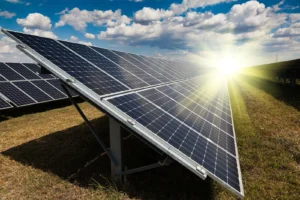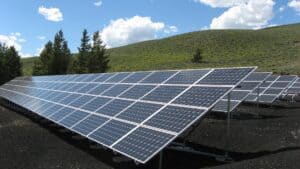

Solar panels in North Carolina will create a major recycling challenge in the next decade. Most of the state’s solar installations aren’t even ten years old yet. Their 20-25 year lifecycle points to an upcoming recycling surge.
The numbers are staggering. Experts estimate that by 2050, 78 million tons of valuable materials from old solar panels will need proper handling. North Carolina faces unique challenges and opportunities in this regard. The state’s new regulations require owners of larger solar projects to have decommissioning plans with recycling provisions by November 1, 2025. This requirement is a vital step since many of North Carolina’s landfills have only about 10 years of capacity left.
Here’s the upside: solar panel recycling could turn into a profitable venture in North Carolina. These panels are 80% glass and aluminum by weight – materials that standard recycling centers process easily. The global value of recovered materials from recycled panels could reach $15 billion.
Many people ask about recycling solar panels in North Carolina once they reach their end-of-life stage. While 31 states have decommissioning policies, regulations continue to evolve. Companies like Solar Recycling help direct this process for those looking to dispose of their panels responsibly.
The time has come to tap into the potential of smart solar panel recycling in North Carolina. Let’s break down these guidelines into clear, practical steps.
Understanding the Lifecycle of Solar Panels
Solar panels last way longer than most household appliances. Modern solar installations work well for 25-30 years, but they don’t just stop working after this time.
Average lifespan of solar panels
Solar panels have gotten better over the last several years. A Berkeley Lab survey shows that their working life has grown from about 20 years in 2007 to 25-35 years by 2025.
These panels don’t fail outright – they just make less electricity as time goes by. This is called degradation. Most companies guarantee their panels will still work at 80-90% of original capacity after 20-25 years. The National Renewable Energy Laboratory (NREL) research shows solar panels lose about 0.75% of their performance each year.
Weather plays a big role in how fast panels wear down. Systems in cooler areas do better and lose only 0.48% per year, while those in hotter places decline faster at 0.88% per year.
Here’s the quickest way to figure out your panel’s expected output:
- Multiply the yearly degradation rate by the years since installation
- Subtract that number from 100%
- The result shows your panel’s current capacity percentage
Let’s say your panels have a 0.75% degradation rate. After 25 years, they would still work at about 81% of their original capacity.
What happens when panels reach end-of-life
Many owners replace their panels once efficiency drops by a lot, even though they might still work past their warranty. Other reasons to replace them early include:
- Storm damage
- New models that work much better
- Repairs that cost too much
The U.S. faces a growing challenge with old panels. By 2030, we’ll need to handle about one million tons of solar panel waste. This number will jump to 10 million tons by 2050, making the U.S. the world’s second-biggest producer of solar panel waste.
Old panels are not just waste – they’re valuable. More than 80% of a panel’s weight is glass and aluminum, which recycling plants can easily process. Recycling or reusing solar panels could unlock about 78 million tons of raw materials worldwide by 2050.
Right now, only about 10% of old panels get recycled properly. This creates risks since some panels have harmful materials like lead and cadmium that can seep into soil and groundwater if they end up in landfills.
Old panels should be fixed up for reuse or recycled to save valuable materials. As one solar expert put it: “Today’s solar panels are tomorrow’s resources, not tomorrow’s trash.”
What Materials Can Be Recycled from Solar Panels
Solar panels contain a wealth of recyclable materials. Breaking down these energy-producing rectangles shows that you can recycle more than 85% of a solar panel. Let’s get into what valuable materials you can recover from recycling solar panels in North Carolina.
Glass and aluminum components
Glass makes up most of a solar panel’s composition – about 75% of its total weight. Modern recycling facilities can recover 95% of this glass. This recovered glass becomes cullet that finds its way into various new applications.
The aluminum frame brings even better news, you can recycle it 100%. These frames come off easily compared to other parts. Aluminum recycling is a 100-year old process, making it one of the first targets during solar panel recycling.
North Carolina residents can easily access facilities that accept both glass and aluminum since these recycling industries operate at scale. The glass recovered from solar panels often contains small silicon particles, which limits where it can be reused.
Silicon and rare metals
Silicon solar cells are the core of most panels. Specialized recycling processes can recover about 85% of the silicon. The biggest problem? Strong adhesives like ethylene vinyl acetate (EVA) bind these cells to the glass between layers. Separating them needs temperatures above 500°C.
These panels also contain several precious metals:
- Silver – Recoverable at rates of 96-98%
- Copper – Present in wiring and conductive elements
- Tin – Used in soldering connections
- Small amounts of gallium and indium in some thin-film modules
Silver stands out as particularly valuable despite its small quantity, matching high-quality silver ores. Modern recovery techniques combine hydrometallurgical and electrochemical methods to achieve pure silver recovery rates.
Specialized recycling facilities safely recover semiconductor materials from cadmium telluride panels, which make up a smaller part of the market.
Plastic and wiring
Non-metallic components of solar panels include:
Copper wiring moves electricity through the panel and keeps significant value when recycled. You’ll find copper in the junction box connections and internal circuitry.
Plastic elements make up the junction box, backing material, and polymer layers. You can recycle 70-80% of these components, though they’re trickier to process than metals and glass.
The ethylene vinyl acetate (EVA) that holds solar cells together needs special processing. The polyethylene terephthalate (PET) and poly(vinyl fluoride) (PVF) in the back sheet also require specific recycling methods.
Heating to 500°C helps evaporate small plastic parts and separates cells more easily. Breaking panels into smaller pieces through mechanical recycling makes valuable material extraction more manageable.
Some parts need careful handling during recycling. Solar panels might contain small amounts of lead in the solder connecting cells. Proper recycling stops these substances from getting into soil or water.
A NC resident shared after recycling their old system, “I was surprised to learn how much of my old panels could be reused, everything gets used.”
How Solar Panel Recycling Works
Recycling solar panels needs specialized techniques to extract valuable materials quickly. The process follows specific steps that change based on the panel type. Each method has its own advantages for North Carolina solar facility owners.
Mechanical separation process
The recycling process starts with mechanical separation when panels reach the end of their life. Technicians remove the aluminum frame and junction box by hand. The remaining laminate goes through shredding, crushing, milling, and grinding. This breaks down the panel into smaller pieces about 4-5 millimeters in size.
Standard mechanical methods have their limits. Regular crushing doesn’t separate all components well because strong adhesives bind materials together. Recent innovations like electrohydraulic fragmentation (EHF) show better results. EHF uses high voltage pulses that create shockwaves. These waves fracture materials at interface points, which leads to cleaner separation and better material recovery rates.
Special equipment like vibrating screens then separates glass from other materials. Mechanical recycling has benefits like lower environmental impact and costs. However, it doesn’t deal very well with removing polymer encapsulant from silicon cells completely.
Thermal and chemical recovery methods
Thermal delamination is one of the best techniques for solar panel recycling. The process heats panels to temperatures between 450–550°C. This breaks down the ethylene vinyl acetate (EVA) and other polymers that hold components together.
Controlled conditions (350–550°C for 30–50 minutes) achieve complete separation. The process removes all encapsulant and recovers intact silicon cells without microcracks. This method works great because it turns plastic components into vapor. These vapors can be captured and used as heat sources for more processing.
Chemical delamination works differently by using solvents to dissolve polymer layers. Research shows using toluene for 180 minutes with ultrasonic help achieves a separation degree of 0.75. This means glass and backsheet come off completely, but polymer residues stay on the silicon cell surface. The downside is that this method needs hazardous chemicals and can take up to 10 days.
Recycling cadmium telluride vs. silicon panels
The recycling process is different between the two main types of solar panels. Crystalline silicon (c-Si) panels make up most of the market. They usually go through thermal or chemical processes to recover glass, aluminum, and silicon. The focus stays on separating silicon cells from glass and metal parts.
Cadmium telluride (CdTe) thin-film panels need special handling because they contain hazardous materials. Their recycling combines mechanical breakdown with chemical techniques in five steps:
- Shredding and milling to break down panels
- Chemical leaching using sulfuric acid and hydrogen peroxide
- Solid-liquid separation through spiral classifiers
- Metal recovery via three-stage precipitation
- Material concentration and filtering
This specialized approach recovers over 90% of materials from CdTe modules, including semiconductor materials for new panels. The thermal processing of silicon panels produces useful byproducts – about 65% light naphtha, 17% heavy naphtha, 16% kerosene, and 2% gas oil (diesel-range).
North Carolina residents who want to recycle solar panels properly should understand these technical differences when choosing disposal options. The main goal is to recover as many materials as possible while protecting the environment.
Current Solar Panel Disposal Practices in North Carolina
Solar panel owners in North Carolina face several disposal choices once their panels stop working. The state needs to address a growing challenge as more decommissioned panels pile up with limited waste disposal options.
General-purpose recycling centers
Most recycling centers in North Carolina don’t accept complete solar panels. These facilities only process certain parts, like aluminum frames and junction boxes that come off easily. NC residents find it hard to locate complete recycling solutions.
Mecklenburg County leads the way by creating innovative ways to keep solar panels out of landfills. The county’s efforts are part of a larger initiative to save resources and reduce dependence on landfills.
Landfill and hazardous waste concerns
Many old panels end up in landfills when recycling isn’t available. This creates two problems. First, North Carolina’s landfills have about 10 years of space left. The original plans didn’t factor in this new type of waste.
The Electric Power Research Institute warns against putting panels in regular landfills. Panel components can break down and release toxic materials into soil over time. Working panels don’t leak toxic metals because of their strong protective coating.
The federal Resource Conservation and Recovery Act (RCRA) sets rules for end-of-life panel management. RCRA first labels solar panels as solid waste after disposal. They might then fall under hazardous waste rules based on what they’re made of.
The Environmental Protection Agency (EPA) stays unclear about specific disposal guidelines for homeowners. They tell people to “contact their state/local recycling agencies for more information”. This leaves panel owners to figure out proper disposal methods themselves.
TCLP testing and classification
The Toxicity Characteristic Leaching Procedure (TCLP) test determines how to dispose of panels properly. This test copies landfill conditions to measure harmful materials that might leak out.
TCLP results show if panels have dangerous levels of metals like lead or cadmium. Panels with lead at or above 5.0 mg/L get a hazardous waste code (D008). Those that pass can go to regular landfills, while failed panels need special handling.
Test results vary a lot, even for panels from the same maker and model. One recycler found that more than two-thirds of tested panels were legally hazardous due to high lead or silver levels.
North Carolina’s Department of Environmental Quality (DEQ) plays a vital role in this process. They’ve asked the American Society for Testing and Materials (ASTM) to create standard methods for TCLP testing. Without these standards, results might not be reliable.
New rules starting November 1, 2025, will require owners of large solar projects (2+ megawatts) to:
- Register with DEQ at least 90 days before construction
- Submit decommissioning plans
- Set up financial backing for proper end-of-life management
North Carolina might add solar panels to its Universal Waste Rules. This would make management easier while protecting the environment. The approach recognizes that some panels contain hazardous materials but pose lower risks than other dangerous waste.
Panel owners must decide if their equipment qualifies as hazardous waste until these rules are final. This often requires expert help to get it right.
North Carolina Solar Panel Recycling Regulations
North Carolina now has rules to handle the growing pile of solar panels reaching the end of their life. These rules show you how to deal with old solar equipment while protecting the environment from harmful materials.
House Bill 329 and 2021 DEQ report
North Carolina passed House Bill 329 in 2019, asking DEQ to study how to manage solar equipment at the end of its life. This important law led to a detailed study of how the state should handle retired panels.
The 2021 DEQ report revealed key findings:
- About 8.5 million solar panels will need retirement between 2036-2040
- North Carolina’s solar capacity will likely double within five years
- The report ranked ways to handle retired panels: direct reuse comes first, then refurbishment, recycling, and disposal as the last resort
North Carolina passed a law in 2023 that requires all utility-scale solar project owners to register with DEQ by November 1, 2025. This applies to facilities that generate 2 megawatts (AC) or more. The law creates a clear system to track and manage solar waste.
Hazardous vs. non-hazardous classification
How we classify solar panels – hazardous or non-hazardous waste – determines their end-of-life handling. Most solar panels in North Carolina don’t fall into the hazardous waste category.
The Toxicity Characteristic Leaching Procedure (TCLP) test determines waste status. This test mimics landfill conditions to check if harmful materials might leak. DEQ asked the American Society for Testing and Materials to create standard sample preparation methods for consistent testing.
Active solar panels aren’t considered waste – only decommissioned panels need classification. Panels that fail TCLP testing must follow hazardous waste rules. Others can go to municipal solid waste landfills.
DEQ has started the process to label solar panels as “universal waste”. This new label would make management easier while keeping environmental protections in place – a move that should boost recycling rates. They aim to simplify panel recycling without compromising safety standards.
Future Outlook for Solar Recycling in NC
North Carolina will see major changes in solar recycling over the next few years. The state needs to plan ahead as solar panels reach the end of their useful life.
Expected volume of decommissioned panels
Solar Energy Industries Association predicts a six percent rise from the current 6400 MW of solar panels used in North Carolina. These numbers point to a large number of panels that will need recycling.
Federal and state policy developments
North Carolina passed Session Law 2023-58 on June 26, 2023. This law requires decommissioning plans for solar projects larger than 2 MW. Project owners must register with the Department of Environmental Quality (DEQ) starting November 1, 2025.
The legislation requires owners to show financial backing and submit plans for decommissioning. DEQ completed these rules on April 1, 2025, after getting public input.
Growth of reuse and secondary markets
The recycling system continues to grow faster. Solar Recycling’s North Carolina headquarters has tripled its yearly capacity from 500,000 to 1.5 million panels. This growth helps asset owners meet the 2025 regulatory requirements.
Mecklenburg County created an innovative residential solar recycling program in January 2025. Homeowners can now drop off their panels at electronic collection points, which makes residential solar recycling more available for the first time.
Conclusion
North Carolina faces a pivotal moment in solar panel recycling. Most installed panels will keep working for years, but planning ahead makes sense. These panels contain valuable materials – glass, aluminum, silicon, and precious metals that shouldn’t end up in landfills.
A deadline looms for the state’s solar facility owners. New regulations will require decommissioning plans and financial assurance for larger solar projects after November 2025. This fundamental change shows how people now recognize the value of retired panels and North Carolina’s limited landfill space.
Smart homeowners and businesses see old panels as valuable resources. Different recycling methods help recover various components through mechanical separation, thermal treatment, and chemical processing. Recycling costs more than landfill disposal right now, but this difference should decrease as technology improves and regulations get stricter.
North Carolina residents have several recycling options. Solar Recycling provides specialized solar panel recycling services in North Carolina that make panel recycling easy for homes and large operations. The company has expanded its capacity to help asset owners prepare for the 2025 regulatory deadline.
North Carolina’s solar panel management will become more organized and available to more people. The state wants to classify panels as “universal waste” to make recycling easier while protecting the environment. Mecklenburg County’s residential collection points demonstrate how local programs can strengthen the recycling network.
Retired solar panels hold too much value to throw away. A good recycling plan protects both the environment and valuable resources. Solar panels have lit up our homes and businesses for decades, and their end-of-life story can be just as bright.