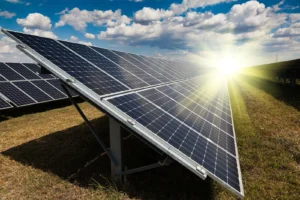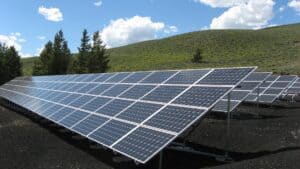

Solar panels installed in Maine come with a replacement warranty that lasts up to 30 years. Most installations in the state occurred after 2019, which means many panels won’t need recycling until the late 2040s.
Your solar panels’ eventual end-of-life disposal might raise some questions. Maine’s solar panel recycling process seems challenging to understand initially. The recycling process recovers 99% of panel materials, making it an environmentally responsible choice.
Valuable materials like silicon, glass, and aluminum make up solar panels and can be reused. The recycling starts with the removal of aluminum frame and glass cover – components that recycle easily. Maine residents have several recycling options despite the process complexity.
This piece covers essential information about solar panel recycling in Maine. You’ll learn about recycling timelines, available facilities, and the steps involved in the recycling process.
Why Solar Panel Recycling Matters in Maine
Solar panels are popping up all over Maine, and we need to plan how to dispose of them properly. Understanding the importance of solar panel recycling will help you make better choices when your system needs replacement.
Environmental effect of solar waste
Solar panels have materials that need careful handling when they’re no longer useful. These panels might contain small amounts of heavy metals such as arsenic, barium, cadmium, chromium, lead, mercury, selenium, and silver (collectively known as RCRA 8 metals). These substances could contaminate soil and water sources if not recycled properly.
The environmental burden of solar waste is quite small compared to other types of waste. Research in Nature shows that solar waste between 2016 and 2050 will reach between 54 and 160 million metric tons. To put this in perspective:
- All but one of these numbers are bigger – electronic waste (1,876 million metric tons)
- 77 times smaller than plastic waste (12,355 million metric tons)
- 284 times smaller than coal ash (45,550 million metric tons)
The good news is that crystalline silicon panels, which are common throughout Maine, are 95% recyclable. These panels contain valuable raw minerals that make recycling both good for the environment and profitable.
Growth of solar installations in Maine
Solar panel recycling has become more urgent as installations multiply throughout the state. Maine’s solar capacity has seen remarkable growth. It jumped 20-fold in just five years, from 73 megawatts in 2019 to 1,562 megawatts in 2023.
Maine now has about 3,463 solar installations with 298.9 megawatts of installed capacity. The state sits at 36th place nationally in solar installation (down from 29th in 2020), and solar now powers 2.35% of Maine’s electricity.
Can you recycle solar panels locally?
Maine doesn’t have any solar panel recycling facilities within its borders. This makes sense since very few panels have reached the end of their life so far. Maine solar panel owners must look outside the state for recycling options.
Maine’s laws address solar recycling too. Developers must submit approved plans to take down solar fields and show they can pay to recycle components. The state legislature has updated the meaning of “decommissioning” to include recycling waste components.
The Natural Resources Council of Maine supports creating a detailed national program for recycling solar panels. The Department of Energy continues to work on better ways to manage photovoltaic panels at the end of their life.
When Do Solar Panels Need Recycling?
Maine homeowners need to know the right time to recycle their solar panels. Solar panels don’t just stop working on a specific date. They produce less electricity as time goes by.
Typical lifespan of solar panels
Solar panels work for 25 to 30 years before you should think about recycling them. They don’t stop generating electricity after this time. Many panels keep producing power beyond their warranty period, though they become less efficient.
The decline happens slowly. Solar panels lose about 0.5% to 1% of their efficiency each year. A newer study, published in 2024 by the National Renewable Energy Laboratory shows a median performance drop of 0.75% per year. At this rate, your panels will work at about 81% of their original capacity after 25 years.
Your location plays a big role. Panels in cooler climates last longer with efficiency drops of about 0.48% yearly. Systems in hotter areas decline faster at 0.88% annually. Maine’s climate suggests your panels might last longer than average.
Signs your panels are at end-of-life
You might wonder when to think about recycling. Here are the signs to watch:
- Power output drops by a lot – Your monthly energy production has dropped noticeably even with similar weather
- Visible physical damage – Cracked glass, dents, or other structural issues
- Discoloration – Yellowing, browning, or dark streaks on panels
- Burn marks – Dark spots near conductive strips that show electrical problems
- Frequent system failures – Performance issues that don’t go away after maintenance
Your panels might need early replacement if they produce 3-5% less power each year instead of the expected 0.5-1%.
Early damage and warranty considerations
Panels sometimes need recycling before their expected lifespan ends. Maine weather – heavy snow, ice storms, or fallen tree branches – can damage panels early. Your warranty might cover replacement in these cases.
Manufacturers typically provide 20-25 year power output warranties. These guarantee your panels will keep a certain percentage of their original performance. The best manufacturers offer warranties with efficiency drops as low as 0.25% yearly, which beats industry standards.
Remember that you’ll pay for all repairs after your warranty expires (usually at 25 years). Recycling and upgrading to newer, more efficient technology often makes financial sense at this point.
The EPA projects that by 2030, the United States will have nearly one million tons of solar panel waste. The recycling infrastructure will become more important as panels installed during Maine’s solar boom (after 2019) reach their end-of-life in the 2040s.
Old panels can still serve a purpose. Panels generating 70-80% of their original output after 30 years work well for smaller projects like cabins, community needs, or disaster relief. Think about these alternatives before sending your panels to recycling facilities.
A solar professional can test your system’s performance and help you decide between repairs and replacement. The right timing helps you get the most from your investment while planning responsibly for the future.
How to Prepare Solar Panels for Recycling
Getting solar panels ready to recycle takes careful steps to keep you and the environment safe. The way you prepare panels makes a big difference in the recycling process.
Disconnecting and removing panels safely
Your safety matters most when taking down solar panels from a roof or mounting structure. The whole process begins by shutting down your system to avoid any electrical risks.
- Turn off all power sources connected to your solar panel system, typically through multiple breakers
- Wait until early morning or evening when sunlight exposure is minimal to reduce electrical output
- Use appropriate tools for disconnection – you’ll need specific disconnect tools to remove panels from inverters
- Wear proper safety gear including gloves and eye protection
Maine’s microinverter systems need a specific order to disconnect: main PV backfeed breaker, breaker for each AC string, and finally unplug MC4 connectors using a disconnect tool.
Sorting by panel type and condition
The recycling potential increases when panels are properly categorized after removal. Modern facilities sort panels based on:
- Technology type (monocrystalline, polycrystalline, thin-film)
- Overall condition
- Age and manufacturing specifications
Since approximately 90% of most photovoltaic modules consist of glass, you need to separate undamaged panels from broken ones. Panels deemed hazardous must follow specific disposal rules.
Lead solder or hexavalent chromium coatings often appear in older silicon panels and need special handling. Cadmium tellurium (CdTe) panels usually contain cadmium, gallium arsenide (GaAs) panels might have arsenic, and thin-film panels could contain selenium.
ReVision Energy, Maine’s leading installer, gives minimally damaged panels a second life in other projects when possible. This extends their usefulness before recycling becomes the only option.
Handling hazardous materials
Solar panels contain materials requiring careful management during recycling preparation. Heavy metals like silver, lead, arsenic, cadmium, and selenium can harm the environment if not handled properly.
Broken panels need immediate attention:
- Clean up all fragments carefully
- Package pieces in sturdy containers that prevent potential releases
- Keep panels dry during storage and transportation to prevent leaching
- Store panels inside rather than outdoors where weather could damage connectors
The Electronic Power Research Institute warns against putting solar panels in regular landfills because their components can break down and release toxic materials into soil.
Handle damaged panels with extra care due to sharp broken glass edges. A garage, shed, or barn provides ideal protection for indoor storage.
Electronic components like drivers, inverters, and circuit boards contain common hazardous materials including lead, arsenic, cadmium, selenium, and chromium. These parts need different handling than the panels themselves.
EPA regulations make you responsible to manage these materials from “cradle to grave”. So working with qualified recycling specialists helps ensure you follow all applicable rules.
The right preparation of your solar panels to recycle protects the environment and helps reuse valuable materials. Taking these careful steps contributes to solar energy’s sustainable future in Maine.
Where to Recycle Solar Panels in Maine
Maine residents need to do some research to find the right place for recycling solar panels since options are limited in the state. Here’s a guide to help you find places that will take your panels when they’re no longer usable.
Local drop-off and collection points
Right now, Maine doesn’t have any dedicated solar panel recycling facilities within its borders. This makes sense since most solar panels in the state are still relatively new. The recent surge in installations means most systems won’t need recycling for quite a while.
If you have just a few panels to recycle, you can try:
- Electronic waste facilities that take solar equipment
- Solar installation companies with recycling partners
- Third-party recyclers that pick up panels
Some electronic waste processors in Maine handle solar components but might not advertise it. A quick phone call can save you a trip. Local drop-off points will likely become more common as solar recycling grows.
Understanding the Solar Panel Recycling Process
Your old solar panels go through an advanced process at recycling facilities to recover valuable materials.
Step-by-step breakdown of recycling
The recycling experience starts with a full picture. Technicians ask if panels can be reused before recycling them. Panels that need recycling go through these steps:
The team first removes external components, aluminum frames, junction boxes, and copper wiring. These parts separate easily and go straight to recycling.
The panel then moves to delamination. Three main methods help process the remaining materials:
- Mechanical processing: Panels get crushed or shredded into small pieces, then separate through techniques like eddy current separation for metals and vibration screening for glass. This method recovers about 85% of a panel’s recyclable materials.
- Thermal processing: Panels heat up to temperatures between 500-600°C. This breaks down binding materials and separates glass from silicon cells. The process burns off encapsulant layers that hold components together.
- Chemical processing: Special solvents and chemical reactions separate materials at the molecular level. This method produces the purest recovered materials, especially precious metals like silver.
Advanced facilities use all three approaches to improve results. The separated materials then move to refinement stages to prepare for manufacturing streams.
What materials are recovered
Solar panels contain many valuable components worth saving:
- Glass: Makes up about 75% of a panel’s weight. This material recovers easily, with up to 95% reclaimed.
- Aluminum: The panel’s frame recycles completely, with 95% recovery rates.
- Silicon: This semiconductor material recovers at rates between 80-85%. It returns to solar manufacturing or serves other electronics.
- Metals: Copper wiring, silver contacts, and tin components hold special value despite small quantities. Special processes extract over 90% of these metals.
- Plastics and polymers: Junction boxes and encapsulants prove more challenging, but current processes recover 70-80% of these materials.
These recovered materials find new purposes. Glass cullet works in construction or new panels, metals enter commodity markets, and pure silicon may return to solar production.
How much of a panel can be reused
Solar panel recycling keeps getting better with advancing technology. About 90% of aluminum and other metals can be recovered, making recycling good for both business and environment.
Modern facilities achieve total material recovery rates up to 96% by mass. This means almost every part of your old solar panel transforms into something new.
Crystalline silicon panels, most common in Maine, yield:
- 95% of the glass
- 95% of aluminum
- 85% of silicon material
- 90% of silver and copper
Thin-film panels do even better with semiconductor recovery, about 95%. This recycling process creates a renewable energy cycle by keeping valuable materials in use.
The International Energy Agency reports that systematic panel recycling could meet 20% of global solar industry’s demand for aluminum, copper, and glass, plus almost 70% of its silver needs. This all-encompassing approach helps solar stay truly renewable, not just in energy production but also in material use.
Exploring Your Recycling Options
Wondering what to do with those aging solar panels? Maine solar panel owners have several options beyond simple recycling. You can choose from manufacturer programs, specialized recycling services, or even donate panels that still work well.
Manufacturer take-back programs
Solar equipment manufacturers often run their own recycling programs.
The process starts when you contact your panel manufacturer. They’ll either pick up your panels or tell you how to ship them back. These programs usually work only with their own branded products, so check your panel’s documentation for recycling details.
Most manufacturer take-back services aren’t accessible to more people in Maine right now. You’ll likely work with processing centers in other states. If your panels are still under warranty, check if you can get free recycling or replacement as part of your agreement.
Donation and repurposing opportunities
Your outdated panels might not need recycling right away. Panels that aren’t performing perfectly for your home could still be useful elsewhere.
Old solar panels often work well in other applications. Sycamore International checks if panels can be reused. Panels that still work at 85% or better of their original power often get a second chance. The company tests:
- Performance capability
- Wiring integrity
- Resistance and open-circuit voltage
Good panels are cleaned and prepared for new homes both here and abroad.
Second-life panels are becoming popular, especially in African nations and throughout the Global South. These panels help power schools, clinics, farms, and small businesses. They’re perfect for vaccine refrigerators, lights, lab equipment, and oxygen concentrators.
Your panels might work great for smaller projects like:
- Cabin electricity systems
- Garden lighting
- Small off-grid applications
- Community projects
Maine companies organize “take-back” events throughout the state to collect solar equipment that might still be useful. These events make it easy to drop off old panels that could keep working.
Make sure your panels meet donation requirements first. Organizations usually want working panels with minimal cosmetic damage that still produce 70-80% of their original power. This way, your old panels can keep generating clean energy long after you’re done with them.
Future of Solar Panel Recycling in Maine
Maine’s solar panel recycling strategy continues to evolve through progressive policies and industry innovations.
Legislation and policy updates
Maine law now requires developers of solar projects spanning three or more acres to submit approved decommissioning plans. These plans must include financial guarantees to cover recycling costs. The rule affects projects that started construction after October 1, 2021, or changed ownership since that date.
Maine legislators looked at a bill that would require solar developers to recycle or dispose of components within 90 days of removal. The proposal faced pushback from critics who said the timeline was too strict, especially since most panels weren’t reaching their end-of-life stage.
DOE and national recycling efforts
The U.S. Department of Energy unveiled its Photovoltaics End-of-Life Action Plan in 2022. This five-year strategy outlines responsible end-of-life practices.
How Maine is preparing for future demand
Solar Recycling offers comprehensive solar panel decommissioning and solar panel recycling services throughout Maine that meet all local regulations. Their compliance team keeps up with changing rules to help clients understand requirements.
Maine passed LD 466 in 2023 to assess options for recycling solar panels. The Department of Environmental Protection might include solar panels in their 2024 product stewardship report.
The solar recycling market will likely expand as existing installations age, according to industry experts.
Conclusion
Solar panel recycling might seem like a distant concern for Maine homeowners, but planning ahead makes a real difference. These silent energy producers serve faithfully on your roof for 25-30 years before they start losing efficiency. It makes sense to give them a second life through proper recycling after their service.
Maine doesn’t have in-state recycling facilities yet, but homeowners have several options for responsible disposal. Your original installer, specialized solar panel recycling services in Maine like Solar Recycling, or manufacturer take-back programs can keep your panels out of landfills. Solar Recycling provides detailed solutions in Maine and handles everything from safe removal to final processing while meeting state regulations.
These panels can be recycled up to 96%, which is remarkable. Glass, aluminum, silicon, and valuable metals go back into manufacturing streams to create a truly circular approach to renewable energy. This recovery process turns potential waste into valuable resources.
Recycling costs substantially more than landfill disposal, which remains a challenge. This gap should shrink as technology improves and recycling becomes mainstream. Maine’s commitment shows in its legislation that requires decommissioning plans for large solar projects, demonstrating the state’s dedication to green practices.
Maine’s solar boom means thousands of panels will need recycling eventually. Understanding your options today prepares you for that future need. Your solar investment shows your environmental responsibility, and extending that commitment to recycling completes the circle.
Solar panels power our homes for decades as they quietly convert sunshine into electricity. Their final purpose shouldn’t be taking up space in a landfill but breaking down into components that propel the next generation of clean energy technology. This is how renewable energy truly lives up to its name.