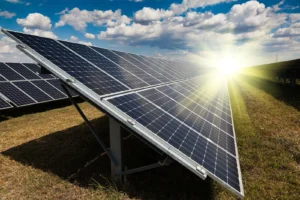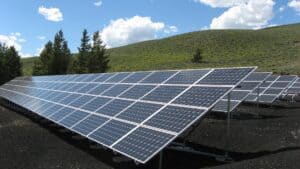

Solar panel recycling in New York could solve a significant waste challenge. The world will generate about 78 million metric tons of discarded solar panels by 2050 – equivalent to 77,000 Airbus A380 airplanes.
This massive amount of waste doesn’t need to end up in landfills. More than 90% of a solar panel’s components are highly reusable materials such as glass, aluminum, silicon, and copper. The process to recycle solar panels in New York benefits both the environment and your finances.
These materials hold substantial value. Recoverable raw materials from recycled panels worldwide could reach approximately $450 million by 2030. The EU has already implemented a system where manufacturers handle solar panel recycling costs for owners.
Your business stays compliant and environmentally responsible through proper disposal methods. Raw materials from decommissioned solar panels will match the material costs needed to produce 60 million new panels by 2023. Companies like Solar Recycling help businesses manage this process effectively.
Let’s transform those old solar panels from waste into valuable resources. This piece shows you the cost-effective approach to solar panel recycling in New York.
Why Solar Panel Recycling Matters in New York
New York faces a turning point as its solar energy sector grows faster than ever. Clean energy from solar panels brings great benefits, but a hidden challenge lurks: what do we do with these panels once they stop working?
The growing solar waste problem
Solar panels work well for 25-30 years before they start losing their punch. The first wave of panels installed years ago will soon need replacement. The United States might pile up 1 million metric tons of solar panel waste by 2030. This number could shoot up to 10 million metric tons by 2050.
This is a big deal as it means that New York City would take a full decade to generate this much waste. The real numbers might be even worse. Some experts say economic factors could push people to replace panels early, creating 50 times more waste than the original estimates suggested – all in just four years.
Things look even more worrying because by 2035, about 2.5 tons of panels will need recycling for each ton sold. Soon enough, we might have more old panels to deal with than new ones going up.
Environmental risks of improper disposal
Old solar panels pack quite a punch when it comes to environmental risks. These clean energy champions hide some nasty surprises if they end up in the wrong place:
- Toxic metals: Lead, cadmium, and other heavy metals can seep into soil and groundwater
- Resource waste: Perfectly good glass, aluminum, copper, and silicon get buried forever in landfills
- Landfill burden: Most panels end up in landfills even though they could count as hazardous waste
Dumped panels slowly break down in landfills and poison nearby ecosystems. This creates health risks and defeats the purpose of going green in the first place. The EPA warns that dumping panels in landfills creates long-term environmental headaches.
New York’s solar adoption and future waste projections
New York loves its solar power. Solar generated about 5% of the state’s electricity in 2023. By October 2024, New York had roughly 5,400 megawatts of solar PV capacity spread across big and small systems.
The state ranks fourth in the country for small-scale solar power generation. On top of that, New York City aims to hit 1,000 MW of solar power by 2030, which means tripling its current capacity.
Some recyclers make it easy with pickup options. They’ll grab panels from loading docks, use liftgate trucks, or collect from job sites, rooftops or warehouses. They give you recycling receipts too, so you can prove you did the right thing.
Recycling makes more sense as regulations get stricter. Both environmental and financial factors point to recycling as the smart choice for New York’s solar panel owners.
Your panel disposal choices affect your wallet and your reputation. Panels with too many toxic materials become hazardous waste under RCRA. Handle it wrong and you’re looking at big fines – every bit of waste needs tracking from start to finish.
What Parts of a Solar Panel Can Be Recycled?
Breaking down old solar panels is like solving a puzzle in reverse. You need to know what’s inside and what can be reused to recycle them properly in New York.
Glass and aluminum frames
Solar panels have a wealth of reusable materials, and glass is the biggest catch. Glass accounts for about 75% of a solar panel’s total weight. The glass can be recycled easily through processes that are 20 years old. Teams collect and separate the glass from other parts before they crush and shred it.
Crystalline-silicon panels make up over 95% of all solar panels sold today. Their glass recycling rates are impressive, especially when you have the right equipment. Modern recycling tech can recover more than 90% of materials by weight from a typical solar panel.
Silicon cells and precious metals
Silicon cells are the core of every solar panel. They make up just 3-5% of a panel’s weight but pack tremendous value. Teams can recover these cells through thermal or chemical processes.
The recycling process usually follows these steps:
- Remove the frame and junction box
- Separate glass from silicon wafers through thermal, mechanical or chemical processes
- Separate and purify the silicon cells and specialty metals
Silver makes up less than 1% of a panel’s mass but represents 47% of the value of all reclaimed materials. Copper and tin are also valuable metals that need specialized recovery processes.
The science behind silicon recycling involves heating to about 500 degrees Celsius. This heat melts away small plastic parts and helps separate cells. Silicon wafers can then be etched and smelted into reusable slabs. Teams can recover about 85% of this material.
Plastic and junction boxes
Your solar panels have plastic parts that need careful recycling too. The junction box sits on the back of panels and connects all the solar wiring.
These plastic components include:
- EVA (ethylene vinyl acetate) encapsulant that holds everything together
- Plastic backing material (backsheet)
- Junction boxes and combiner boxes
Junction boxes contain terminal strips and circuit elements. Commercial systems use combiner boxes that include fuses, busbars, and disconnect switches – all recyclable after proper sorting.
Copper wiring runs throughout solar panels and holds great recycling value. Like aluminum, industries everywhere need recycled copper. New York’s solar recycling facilities can separate these materials quickly.
The polymer encapsulant remains tricky to recycle. Scientists at the University of Kansas are working on new methods. They use ozone to get more precious metals and separate fused layers better.
Specialized recyclers in New York separate all these components to get back as much material as possible. No commercial recycling process is perfect yet. Some materials mix together, creating “low value glass” that ends up in products like glass wool instead of new solar panels.
Understanding your solar panel’s recyclable parts helps you make smarter disposal choices. These choices benefit your wallet and help protect our environment.
How the Solar Panel Recycling Process Works
A solar panel’s experience from retirement to rebirth follows a fascinating path. Raw materials emerge from recycling these complex devices instead of simple disposal.
Step 1: Collection and transport
Your old solar panels start their recycling experience when specialized facilities gather and process them. New York residents and businesses can now access convenient collection services.
Panels go through an original inspection after collection. This assessment shows whether panels could work in less demanding applications or need complete recycling. According to industry practices, panels that can still generate power often find second homes in simpler uses.
The biggest problem in the recycling chain remains collection. The logistics of gathering heavy, bulky panels from scattered locations creates major hurdles in New York. Panels often travel long distances to reach recycling facilities because the state’s strong recycling infrastructure continues to develop.
Step 2: Dismantling and separation
The actual work begins once panels reach the recycling facility. The process typically follows these steps:
- Frame and junction box removal – Technicians carefully detach the aluminum frame and junction box, and these easily recyclable components go directly to established metal recycling streams.
- Glass separation – The glass separates from silicon cells next. Facilities use thermal, mechanical, or chemical processes based on their technology. Some locations use advanced organic methods to gently separate these layers and achieve recovery rates above 95% for valuable materials.
- Breaking down the core – Crystalline silicon panels (about 95% of all panels sold today) undergo careful processing. The glass, making up 75% of a panel’s weight, gets crushed and cleaned after separation.
Different panel types need different approaches. To name just one example, thin-film panels first go through shredders and hammermills until particles reach 4-5mm. A rotating screw then separates solid and liquid materials for further processing.
Step 3: Material recovery and reuse
Each component follows a unique path during the final refining stage to meet industry specifications:
Silicon-based panels undergo thermal processing at approximately 500 degrees Celsius that vaporizes the plastic encapsulant and exposes the cells. The evaporated plastic serves as a heat source for further thermal processing.
Silicon cells go through specialized acid etching to remove impurities. This process recovers about 85% of the silicon material that could work in new electronic applications.
Chemical baths selectively dissolve and separate valuable metals like silver, copper, and aluminum. Advanced facilities extract up to 95% of the value from solar panels, while industry standard recovery rates stay below 50%.
Glass recovery achieves impressive results, with 95% of panel glass ready for reuse. New solar panels or other glass products emerge from this recovered glass.
Thin-film panels take a different recovery route. The semiconductor materials undergo special processing after separation, with 95% becoming available for reuse. These panels’ glass achieves about 90% recovery rates.
Budget-friendly solutions and environmental responsibility create a delicate balance in the whole process. Commercial recycling hasn’t achieved perfect material separation yet, but technological improvements bring us closer to a truly circular economy for solar energy.
Where to Recycle Solar Panels in New York
Solar panel recycling in New York can feel like searching for a needle in a haystack. The good news is that several options have emerged as solar adoption grows in the state.
Manufacturer take-back programs
Your best first step might be calling your solar panel manufacturer when you need to dispose of old equipment. Many companies run take-back or recycling programs and sometimes offer incentives for returning old panels.
These manufacturer programs typically provide:
- Direct pickup from your location
- Proper handling and recycling of materials
- Documentation for compliance purposes
- Sometimes, credit toward new equipment
Your panel manufacturer might have recycling options you didn’t know about, even if your original installer is no longer in business.
Using SEIA’s National PV Recycling Program
The Solar Energy Industries Association (SEIA) launched the National PV Recycling Program in 2016. This program created a network of budget-friendly recyclers for solar waste management. Solar stakeholders can now find appropriate end-of-life solutions easily.
The SEIA program offers:
- A nationwide network of collection points
- Access to certified recycling facilities
- An easy-to-use consumer web portal for finding recycling options
- Research and development initiatives to improve recycling technologies
Program participants can access services to repair, refurbish, resell, or recycle PV modules, inverters, and other equipment. The program wants to make the solar industry landfill-free while reducing recycling costs.
The New York State Department of Environmental Conservation maintains a list of solar panel recyclers as another option when manufacturer programs or SEIA partners aren’t nearby.
Proper recycling keeps hazardous materials out of landfills and recovers valuable resources. Materials like lead, arsenic, and cadmium from improperly disposed panels could harm New York’s natural environment if not handled correctly.
How Much Does It Cost to Recycle Solar Panels?
Smart disposal decisions for solar panels depend on understanding recycling costs. The choice between immediate expenses and long-term benefits shapes your environmental decisions.
Factors that affect recycling costs
Your recycling costs depend on these key elements:
- Panel type and composition – Monocrystalline panels cost more to recycle than polycrystalline because of their complex silicon crystal structure. Thin-film panels need special handling due to their cadmium content.
- Panel size and weight – More resources go into processing and moving larger, heavier panels.
- Transportation and logistics – Your location plays a big role in the final cost. Distance to recycling facilities adds to expenses. Moving panels costs $1,000-$2,000 per container, which fits 300-500 panels.
- Processing technology – Each recycling method comes with its own price tag. Chemical recycling costs more than mechanical but recovers more materials.
- Volume – Recycling facilities need to process about 4,000 tons yearly to make money. Bulk recycling often qualifies for better rates.
Experts predict recycling costs will drop by 30-50% by 2030 as technology gets better and more panels need recycling.
Niagara County, New York already requires an approved recycling plan before you can install solar panels. This shows that regulations might soon matter more than price.
How to Save Money When Recycling Solar Panels
Solar panel recycling doesn’t have to break the bank. Smart planning and the right approach can substantially reduce costs while protecting the environment. Here are practical ways to save money when recycling solar panels in New York.
Bulk recycling and business partnerships
Your recycling costs depend on timing. You can slash per-panel costs by 25% or more by saving up panels and recycling them in bulk. The smart move is to collect multiple units before reaching out to a recycler.
Money-saving opportunities exist through community partnerships. Your local utility company might offer take-back programs with discounted recycling options. Solar cooperatives in your community often team up with recycling facilities to reduce costs for everyone.
Local solutions help save money. Many areas host e-waste collection events where solar panel drop-offs cost less or nothing at all. These events help you avoid transportation costs that would otherwise increase your recycling expenses.
Reusing or reselling functional panels
Your panels might still have value before you recycle them. Panels with 10-12 years of energy production left and good functionality often have resale potential. This strategy turns recycling costs into possible profits.
Several factors determine a panel’s resale value:
- Brand reputation (panels from prominent manufacturers fetch higher prices)
- Wattage output (panels with 300W or higher maintain better resale value)
- Physical condition (undamaged panels command premium prices)
- Age (panels less than 5 years old bring the highest returns)
Used panel markets keep growing worldwide. Companies specializing in solar installation removal can connect your used panels with new buyers, helping you earn money or reduce the cost of upgrading.
Recyclers find that 30% of panels they receive can still be used. Panels have value somewhere in the world unless they’re broken or severely damaged.
Tax credits and state incentives
Government support is vital to make solar panel recycling affordable. The Biden administration has put $82 million into expanding solar manufacturing and recycling in the U.S., creating groundwork for future incentive programs.
Direct consumer incentives remain limited now, but changes are coming. Recycling operations can qualify for federal tax credits through the 48C program. These incentives help recyclers cut costs, which could mean lower prices for consumers.
Tax credit programs similar to panel installation incentives are under consideration in some states. Cash rebates for recycling expenses are also being explored.
Manufacturer take-back programs offer another way to save. These programs usually cover collection, transportation, and processing costs for end-of-life panels. Check if your panel manufacturer offers such a program before looking at other disposal options.
SEIA’s National PV Recycling Program helps panel owners find certified recyclers at better rates. This program makes affordable recycling easier throughout New York state.
Legal and Regulatory Landscape in the U.S. and New York
Solar panel disposal rules in America look like a patchwork quilt. Federal guidelines serve as the backing, while state rules add their own unique patterns.
Federal vs. state-level recycling laws
The federal government hasn’t created specific laws for solar panel recycling. End-of-life panels must follow the Resource Conservation and Recovery Act (RCRA). Panels become hazardous waste under RCRA if they release toxic metals like lead or cadmium above certain levels. The Toxicity Characteristic Leaching Procedure (TCLP) test determines this classification.
The regulatory landscape shows interesting patterns:
- RCRA provides the simple framework at the federal level
- California and Hawaii stand alone in classifying solar panels as universal waste
- State-level solar decommissioning policies exist in 35 states
- Specific recycling rules appear in fewer than 10 states
- Major solar markets like Florida and Arizona are all but one of these 15 states without statewide rules
The EPA plans to label retired panels as “universal waste,” similar to batteries and mercury devices. The original 2025-2026 timeline now extends from February 2026 through August 2027.
New York’s e-waste and solar regulations
New York requires proper disposal of many electronic items through its e-waste recycling law, though solar panels remain unaddressed. Niagara County made history as the first local government in America to require manufacturers to fund solar panel recycling.
Local Law No.4 took effect in August 2022 in Niagara County. The law bans panel sales unless manufacturers have approved stewardship plans. This innovative approach saves homeowners from bearing the financial burden.
New York might add solar panels to its Universal Waste rule to streamline management. The state’s proposed legislation (S2215) would make manufacturers create collection, transportation and recycling programs by 2025.
How policy affects recycling access and cost
Recycling availability and costs depend heavily on policy decisions. Recyclers face higher operational costs because they must navigate different rules in different states.
Smart regulations can boost recycling services while stopping improper disposal. New York’s mix of state and local requirements will guide solar panel recycling until federal guidelines emerge.
The Future of Solar Panel Recycling
Solar innovation is changing the way we deal with solar panel waste. Recent advances in recycling technology paint a promising picture for this expanding industry.
Emerging technologies like laser ablation
Laser-based recycling marks a breakthrough in material recovery. Lasers target specific areas without heating entire panels, unlike traditional methods. Glass recovery from solar modules happens with remarkable precision through this technique. The technology separates materials by directing ultra-short pulse laser energy at different interfaces. Scientists have achieved 93% pure silver through optimized laser processing.
How recycling supports a circular economy
The QUASAR project wants to recycle 70-90% of materials at high purity levels. Digital product passports with twin technology will track panels throughout their lifecycle. Extended Producer Responsibility programs hold manufacturers accountable for their products’ complete lifespan. Recycling has become essential to environmentally responsible solar energy.
Conclusion
New Yorkers can save money and protect the environment by recycling their solar panels. This piece shows that you can give new life to over 90% of solar panel materials through proper recycling channels. Your old panels could help solve our waste problem instead of making it worse.
The solution is simple. Check if your panels still work well enough for secondary markets – you might turn potential waste into cash. Bulk options and community programs can cut costs by 25% or more if you need to recycle. Manufacturer take-back programs usually provide the most cost-effective way to dispose of panels.
Recycling options are growing steadily in New York State. Solar Recycling makes responsible disposal easy and affordable with their detailed solar panel recycling services in New York. They pick up panels right from your location – rooftops, warehouses, or job sites.
Technology keeps getting better, which should lead to lower costs and better recovery rates. Laser ablation and other breakthrough methods are already quite effective at separating materials. While current regulations vary widely, new policies will soon give everyone clearer guidelines.
Note that proper recycling goes beyond keeping toxic materials out of landfills – it recovers resources worth billions in the industry. Every panel you recycle helps build a circular economy where old energy technology becomes raw material for tomorrow.
Solar panels can still benefit the environment even after their productive life ends. Smart recycling choices help extend these benefits and might save you money too. Your actions today will help New York handle the upcoming surge of solar waste, turning a potential challenge into a valuable resource.