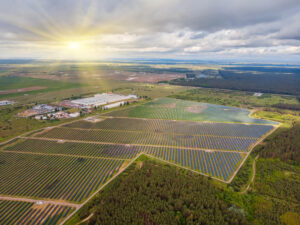

Learning to recycle solar panels in Pennsylvania lets you help the environment and recover valuable resources at the same time.
Solar panels last about 25 years. After their sun-soaking days are over, these panels need proper disposal. Glass makes up about 75 percent of most panels, and recycling methods already exist to handle this material. Pennsylvania’s regulations differ slightly – solar panels need recycling to qualify for hazardous waste exemptions.
California and Hawaii list panels as universal waste, but Pennsylvania follows its own path. The state has made great progress in recycling accessibility. More than 11.6 million residents can now access recycling services – that’s at least 94 percent of Pennsylvania’s population.
Want to help the environment and salvage valuable materials from your old solar equipment? This piece walks you through each step to recycle your solar panels in Pennsylvania. You’ll learn why it matters and find certified recyclers in your area.
Step 1: Understand Why Solar Panel Recycling Matters
Solar panel waste is growing faster than ever. The United States will generate about one million tons of solar panel waste by 2030. This number will jump to roughly 10 million tons by 2050, making the US the second-largest producer of such waste worldwide. We need strong recycling systems to prevent these panels from filling landfills and releasing harmful substances into our environment.
Environmental impact of solar panel waste
End-of-life solar panels need special handling. These panels often contain toxic materials like lead and cadmium that can seep into soil and groundwater if not disposed of properly. Federal regulations classify panels as hazardous waste when they fail toxicity characteristic leaching procedure (TCLP) tests.
Landfill disposal of panels can offset their environmental benefits. Experts predict PV waste could reach 88 million tons globally by 2050. Recycling offers a solution to this challenge. A single recycled panel stops about 97 pounds of carbon dioxide from entering our atmosphere. Reused panels save even more – about 1.5 tons per panel.
Economic value of recovered materials
Recycling makes financial sense. More than 85% of a solar panel’s materials can be recycled using existing methods, including aluminum and glass. Current recycling technology recovers:
- Up to 100% of aluminum frames
- 95% of glass components
- 98.7% of silver content
- 92.4% of silicon materials
On top of that, recycling reduces the need for new raw materials. The Department of Energy found that recycled materials could supply 30-50% of US solar manufacturing needs by 2040 with modest government support.
Job creation through recycling programs
Solar panel recycling creates jobs in many sectors. Workers are needed for everything from managing collection networks to operating processing facilities.
Large recycling facilities create 50-60 permanent jobs plus about 150 construction positions during setup. These opportunities range from entry-level work to specialized engineering and research roles that improve extraction methods.
The industry needs workers for:
- Collection and transportation of end-of-life panels
- Disassembly and sorting operations
- Materials science and recovery process research
- Facility management and administration
The sector also creates new business opportunities. Companies can focus on collection services, processing technologies, or selling recovered materials.
Pennsylvania’s growing solar capacity makes panel recycling more important for local homes and businesses. Your choice to recycle panels helps the environment, saves valuable materials, and creates jobs in your community.
Step 2: Know What Parts of a Solar Panel Can Be Recycled
When you take apart an old solar panel, you’ll find a wealth of recyclable materials. Over 85% of a solar panel contains materials that recyclers know how to process. You need to understand these components before recycling your panels in Pennsylvania.
Glass, aluminum, and copper components
Glass makes up most of a solar panel’s weight – about 75% of the total mass. Recyclers already have proven methods to handle this glass across industries. They can recover about 90% of this glass and turn it into new products.
The aluminum frame makes up 10-15% of what a panel weighs. It’s the easiest part to recycle. Workers first take off these frames by hand before they break down the rest. Here’s the best part – these aluminum frames are 100% recyclable.
You’ll find copper wiring mainly in the junction box. It’s just 1-2% of a panel’s weight. The small amount doesn’t matter because copper’s high conductivity makes it valuable in the recycling market. Recyclers can get back up to 98% of this copper.
Silicon cells and specialty metals
Silicon cells are the core of crystalline silicon solar panels but make up just 3-5% of a panel’s total weight. These cells pack the most valuable materials. Recyclers need special thermal or chemical treatment to purify silicon for reuse.
Solar panels also contain tiny amounts of precious specialty metals:
- Silver: Less than 1% of mass but worth 47% of all reclaimed materials
- Tin: About 1-2% of panel composition
- Lead: About 0.5-1.5% of panel materials
Recyclers use three steps to recover these metals. They remove the frame and junction box first. Then they separate glass and silicon through thermal or mechanical processes. Finally, they use chemical and electrical techniques to separate and purify the silicon cells and specialty metals.
Today’s recycling facilities get impressive results – up to 98.7% of silver content and 92.4% of silicon materials back. These recovered materials are worth a lot when they return to domestic supply chains.
Toxic materials and safety concerns
Solar panels mostly contain common materials with very low toxicity. Still, some parts need careful handling during recycling.
Some thin-film solar panels use cadmium telluride (CdTe) as a semiconductor compound. CdTe is much safer than pure cadmium – about 100 times less toxic than the pure element. Proper recycling keeps these materials out of landfills.
Manufacturers use encapsulants – often made with ethylene-vinyl-acetate (EVA) – to protect cells from the environment. This protection works two ways: it guards cells against moisture and UV radiation while keeping potential toxicants trapped inside.
These encapsulants are incredibly tough. You’d need about 725 pounds per square inch of force to break through them. Even after six rounds of crushing with a 50-ton landfill compactor, the encapsulation stayed intact and prevented chemical leaching.
The most common type – crystalline silicon panels – contain harmful chemicals at levels way below EPA screening values for air, soil, and water health. Pennsylvania rules might still label certain panels as hazardous waste if they fail toxicity characteristic leaching procedure tests.
Knowing what parts of your solar panels can be recycled helps you make smart disposal choices. Your next step is finding the right way to handle these materials in Pennsylvania.
Step 3: Learn the Solar Panel Recycling Process
Solar panel recycling transforms old equipment into valuable raw materials through three main steps. You’ll better understand what happens to your panels after they leave your property and why proper recycling matters.
Removing the frame and junction box
The recycling starts when workers remove the aluminum frame and junction box, a crucial first step in taking apart the panel. Teams use manual methods or specialized automated equipment for this task.
Workers start by taking off the junction box that houses electrical connections. The box contains valuable copper wiring that goes straight to copper recycling. Taking out the junction box lets recyclers recover both copper and plastic materials inside.
The team then removes the aluminum frame around the panel. Aluminum recycling facilities accept these frames right away, and the material goes back into the manufacturing supply chain. This simple yet vital step keeps the frame intact so recyclers can process it easily.
Separating glass and silicon wafers
After removing external parts, recyclers face the task of separating glass (about 75% of the panel) from silicon wafers and other materials. They use several methods:
Thermal separation uses high temperatures around 500°C to break down binding materials like ethylene-vinyl acetate (EVA) that hold panel layers together. The heat makes the encapsulating plastic evaporate so workers can separate glass from silicon cells more easily. Recyclers don’t waste the evaporated plastic, it becomes a heat source for more thermal processing.
Mechanical separation breaks down panels through crushing, shredding, and milling. The crushed materials go through sorting processes that separate components based on their physical properties.
Chemical separation uses solvents such as acetone to dissolve adhesives between components. To name just one example, soaking panels in acetone solution at 50°C for two days dissolves the EVA glue. This makes the glass cover and backboard easy to peel off.
These methods help recyclers recover up to 95% of the glass to make new glass products.
Recovering metals through chemical methods
The last and most advanced phase extracts valuable metals from silicon cells and other components. This stage needs specialized chemical and electrical techniques to isolate and purify materials.
Metal recovery methods include:
- Hydrometallurgy: Acids extract metals without high temperatures
- Nitric acid leaching: Works best for silver recovery by turning silver into silver chloride with chloride ions
- Alternative leaching agents: Some plants use methanesulfonic acid, sulfuric acid, or I2-KI to reduce environmental impact
The recovery rates show impressive results:
- Up to 100% of silver content comes back
- Teams extract about 85% of indium
- Silicon recovery reaches 85%
Research continues to improve these methods. Swedish scientists developed a “greener” leaching process that works at room temperature and recovers all the silver.
Step 4: Check Pennsylvania-Specific Recycling Rules
Pennsylvania follows unique rules for solar panel disposal that set it apart from other states. You can save time and avoid legal issues by learning these regulations before recycling your old panels.
Is your panel considered hazardous waste?
Pennsylvania doesn’t automatically label solar panels as hazardous waste. The classification depends on the materials inside them and their performance in specific tests.
The Toxicity Characteristic Leaching Procedure (TCLP) test plays a crucial role. This test recreates landfill conditions to check if toxic metals could leak out. Here’s a simple way to check if your panels are hazardous:
- Check for heavy metals content – Panels with lead, cadmium, or selenium above certain levels might be hazardous
- Review manufacturer data – Many companies provide details about hazardous materials
- Think over panel type – Thin-film solar panels containing cadmium telluride (CdTe) are more likely to be hazardous than standard crystalline silicon panels
Universal waste classification in PA
Universal wastes fall under streamlined regulations that simplify collection and recycling. Pennsylvania recognizes seven universal waste categories:
- Batteries
- Pesticides
- Mercury-containing equipment
- Lamps
- Aerosol cans
- Oil-based finishes
- Photographic solutions
Solar panels are not currently part of Pennsylvania’s universal waste category. Changes might happen soon though. The EPA announced plans to add solar panels to federal universal waste regulations in October 2023. This change would make it easier to manage hazardous waste solar panels.
The PA Recycling Markets Center, PA Resources Council, and Solar Energy Industries Associates agree that Pennsylvania’s existing Covered Device Recycling Act doesn’t work well for solar panel recycling.
State-approved recycling exemptions
Recycling options exist even though Pennsylvania hasn’t officially added solar panels to its universal waste program. Hazardous waste solar panels might qualify for regulatory exclusions under the Resource Conservation and Recovery Act (RCRA).
These exemptions include:
- Transfer-based exclusion – States that have adopted recent Definition of Solid Waste Rules can use this conditional exclusion. It promotes third-party recycling while preventing mismanagement
- Recycling exemptions – Panels sent for legitimate recycling under specific exclusions (like 40 CFR section 261.4(a)(23)) might not need a hazardous waste determination
Your panels must meet specific regulatory criteria and follow environmental protection standards to qualify for these exemptions.
House Bill 2197 proposes adding solar panels to Pennsylvania’s Electronic Waste Recycling Program. This would require manufacturers to support recycling programs. Industry experts have raised concerns about this approach.
Specialized recyclers who understand Pennsylvania’s requirements offer the best solution under current regulations. These certified recyclers handle potentially hazardous materials properly and help meet legal requirements.
Understanding these Pennsylvania-specific recycling rules helps you make responsible decisions about your end-of-life solar equipment. This knowledge protects you from penalties while safeguarding the environment.
Step 5: Find a Certified Recycler in Pennsylvania
Your next challenge after understanding recycling regulations is finding reliable recyclers who will handle your solar panels properly. Pennsylvania gives you several ways to connect with qualified recycling partners.
Using Earth911 and SEIA directories
You can locate solar panel recyclers serving Pennsylvania through online directories. Earth911’s recycling search tool helps you find electronics recyclers in your area. Make sure to call and verify they accept solar panels, since not all electronics recyclers work with this specialized equipment.
The Solar Energy Industries Association (SEIA) maintains another helpful directory of recyclers. The EPA recommends both SEIA and Earth911 as trusted sources for solar panel recycling options. These directories point you toward facilities that have proper permits and technical capabilities for processing solar panels.
The Department of Energy’s Solar Energy Technologies Office publishes a U.S. Solar Photovoltaic Manufacturing Map that lists recyclers. This resource helps you find organizations specifically equipped for solar panel recycling instead of general electronic waste.
Contacting your county recycling coordinator
Your local recycling coordinator can be your best resource. These experts serve as the primary source for details about your county’s recycling programs. They provide details about:
- Local drop-off locations accepting solar panels
- Special collection events in your area
- Municipal recycling programs that might accept solar panels
- Other useful local recycling information specific to your needs
These coordinators play a vital role in Pennsylvania’s recycling success by directing people to appropriate facilities. The Pennsylvania DEP website lists contact information for all county coordinators.
Regional guidance comes from DEP Regional Recycling Program Coordinators. These officials know about recycling programs throughout your region of the commonwealth.
Verifying recycler certifications
Checking credentials becomes crucial once you’ve found potential recyclers. Here’s how to confirm you’re working with a qualified partner:
- Look for Responsible Recycling (R2) and/or ISO certifications
- Ask about their recycling processes and material recovery rates
- Check their environmental compliance history using the EPA’s Enforcement and Compliance History Online database
- Learn about their liability protections
R2 and similar certifications for solar panel recycling are new and will be implemented over 36 months. Ask about their specific experience with solar panels.
The right recycling partner makes future disposal easier. Once you’ve selected a partner, you can think about whether your panels might work for someone else instead of recycling them right away.
Step 6: Consider Reuse Before Recycling
Take a moment before sending your old solar panels to recycling facilities. Many discarded panels still have plenty of life left. Studies show that nearly half (46%) of panels headed to landfills work perfectly fine.
The Case for Reuse
Reusing solar panels makes financial sense in many cases. A reused solar panel delivers 133 times more value than its recycled counterpart. This huge gap exists because people remove many panels long before their 25-30 year lifespan ends.
Reuse works best in these situations:
- Panels have 10+ years of productive life left
- Minor storm damage affects just a few panels in an array
- System upgrades leave older panels that still work well
- Roof repairs or renovations require panel removal
- Panels need simple repairs
Off-grid and Second-life Uses
Working panels that don’t meet your main needs can serve many other purposes. Even less efficient panels prove valuable for simpler applications.
These second-life uses include:
- Portable power stations: Panels can energize camping trips and charge devices away from outlets
- Shed or garage power: Power outbuildings with repurposed panels for lights and tool charging
- Electric vehicle charging: Used panels create clean charging stations
- Educational projects: Teaching solar principles in schools or community centers
- Heating solutions: Panels help warm greenhouses or chicken coops
- Fencing alternatives: Panels’ sturdy construction makes excellent building materials for enclosures
Rules for Reused Panels in Pennsylvania
Pennsylvania has some key regulations for reusing solar panels:
Grid interconnection rules still matter even with reused panels. These guidelines affect how you connect reused panels to existing systems.
Building codes, fire codes, and electrical standards apply to reused panels too. Most codes emphasize installation safety rather than panel age or origin.
Projects not connected to the grid (like shed power or portable systems) face fewer regulations, making them easier to implement.
The U.S. secondary market for solar panels hasn’t caught on yet, but signs point to change. Australia expects to dispose of 8.1GW of working panels within ten years.
Growing concern about panel waste drives new research. University of Virginia scientists are developing ways to turn silicon from solar panels into high-performance batteries, adding more value to used panels.
Testing should verify output levels and check for damage before using panels in their second life. This step ensures safe and effective reuse.
Step 7: Plan for Large-Scale or Damaged Panel Disposal
Large-scale solar installations create different recycling challenges than residential systems. Commercial operations need proper planning. Teams must handle specialized disposal with care.
Creating a disposal plan for solar farms
Solar contractors should start with a detailed plan to decommission solar farms. The plan must show the scope, timeline, and steps to dismantle panels and related infrastructure. Getting all required permits and approvals is vital before any work begins.
Your disposal plan should cover:
- Safe system shutdown to protect workers
- Local ordinances and state solar decommissioning laws
- The landowner’s plans to use the land in future
Money matters just as much. A decommissioning bond helps set aside funds to cover the costs of dismantling a solar farm. This ensures the project owner can handle all expenses.
Emergency recovery after weather damage
Storms, hail, and hurricanes can damage solar installations. These events disrupt energy production and create safety risks. Quick action becomes vital after such events.
When weather causes damage:
- Follow clear emergency shut-off steps
- Call emergency services if needed
- Take photos and notes for insurance claims
- Check structural safety before going near panels
Storm damage brings serious safety risks. Loose mounting systems could turn panels into dangerous projectiles. Water from heavy rains might cause short circuits or system failures.
Field service management software helps organize quick responses. Service managers can track live operations and send resources where needed. Teams get vital information about site conditions before they arrive.
Inventory and storage of damaged panels
A systematic approach helps track damaged panels. Document each panel’s details:
- Serial numbers
- Damage type and extent
- Repair or recycling potential
- Hazardous material risks
Climate-controlled spaces work best for temporary storage. Most solar panels contain hazardous materials like lead, cadmium, and chromium that need careful handling.
Note that Pennsylvania’s regulations on solid waste disposal and environmental protection affect solar decommissioning. Good inventory and storage practices help meet these requirements.
Step 8: Understand the Future of Solar Panel Recycling
Solar panel recycling technologies of tomorrow will recover more materials and protect our environment better. Most facilities today only recover aluminum and glass, but new developments will reshape the scene completely.
Emerging technologies in recycling
Projects like QUASAR are developing ways to recover 70-90% of key materials. These include silicon, metals, glass, and polymers at high purity levels. Several advanced approaches show great potential:
- Thermal delamination uses controlled heat to separate materials while preserving glass and silicon wafers
- Chemical extraction uses special solutions to dissolve valuable components like silver and copper
- Advanced mechanical pre-treatment makes sorting more effective and reduces contamination before processing
“Digital product passports” with twin technology will track panels throughout their lifecycle and provide vital data about materials and condition.
Policy changes and incentives
The EPA will add solar panels to universal waste regulations, making recycling more available. They expect this new rule in 2025 after industry requests.
How to stay updated on recycling programs
You can follow new developments through SEIA’s National PV Recycling Program. This network helps system owners find recycling providers nationwide.
Conclusion
Solar panel recycling service gives us a great chance to protect our environment and recover valuable materials. This piece shows how proper recycling keeps toxic substances out of landfills and helps us recover precious metals, glass, and aluminum. On top of that, it brings substantial economic benefits, raw materials worth millions of dollars will be available to recover by 2030.
You can handle your end-of-life solar equipment responsibly by doing these eight steps. You need to learn why recycling matters first. Next, you should know what parts are recyclable and understand the recycling process. Learning Pennsylvania’s specific rules comes next. The fifth step involves finding certified recyclers. Then you can think over reuse options. The seventh step helps you plan for large installations or damaged panels. Finally, you should keep up with new developments.
Pennsylvania is different from states like California and Hawaii in how it classifies solar panels. The state hasn’t classified panels as universal waste yet, but this might change soon with upcoming EPA regulations. Several exemptions exist right now for panels sent to legitimate recycling facilities.
Take time to check if your panels could serve a second life before recycling them. A reused panel’s value can be 133 times higher than a recycled one! Panels with remaining useful life work great in off-grid applications, portable power stations, and educational projects.
The solar panel recycling industry has a promising future. New technologies will recover more valuable materials, and policy changes will make recycling available to more people. Pennsylvania solar panel recycling companies like Solar Recycling remain competitive and can help you navigate Pennsylvania’s evolving requirements.
Recycling solar panels does more than clear space, it completes solar energy’s sustainability circle. Your choice helps create jobs, recover resources, and protect our environment for future generations. While the sun sets on your panels’ original use, their materials can shine again in new products through responsible recycling.